


Knowing When to Pivot vs. When to Double Down: Lessons from Building 6 Ventures Before Age 25

There is a common misconception in the startup world that if a company doesn’t turn into a decade-long endeavor or a unicorn, it was a failure.
But for Ishgun Singh Arora, a 25-year-old serial entrepreneur and LaunchX Alum, short-lived projects are not failures. If anything, they are a necessary filter to find a truly scalable business.
Since high school, Ishgun has launched six distinct ventures. Some were seasonal, some were handed off, and some were shut down entirely. Today, he is the co-founder of XLR8 AI, a bootstrapped, profitable Generative Engine Optimization (GEO) company growing at 20% month-over-month with a team spanning across the US and offshore.
Looking back, his path to finding a long-term business wasn't about getting it perfect on the first try. It was about starting quickly, tracking the data, and most importantly, knowing exactly when to call it quits. Here is a candid look at his venture roadmap and how he learned the difference between a project worth pivoting and a company worth doubling down on.

A Decade of 6 Startups
Ishgun’s drive to build started early. "I never really went for the job," he explains. "Creating net value from scratch is something that’s been imbibed since the very beginning." This drive resulted in a rapid sequence of ventures across completely different industries:
- The Hardware Play (Grade 10): A paper-recycling machine for offices that shredded waste paper, melted it down, and converted it into usable notepads.
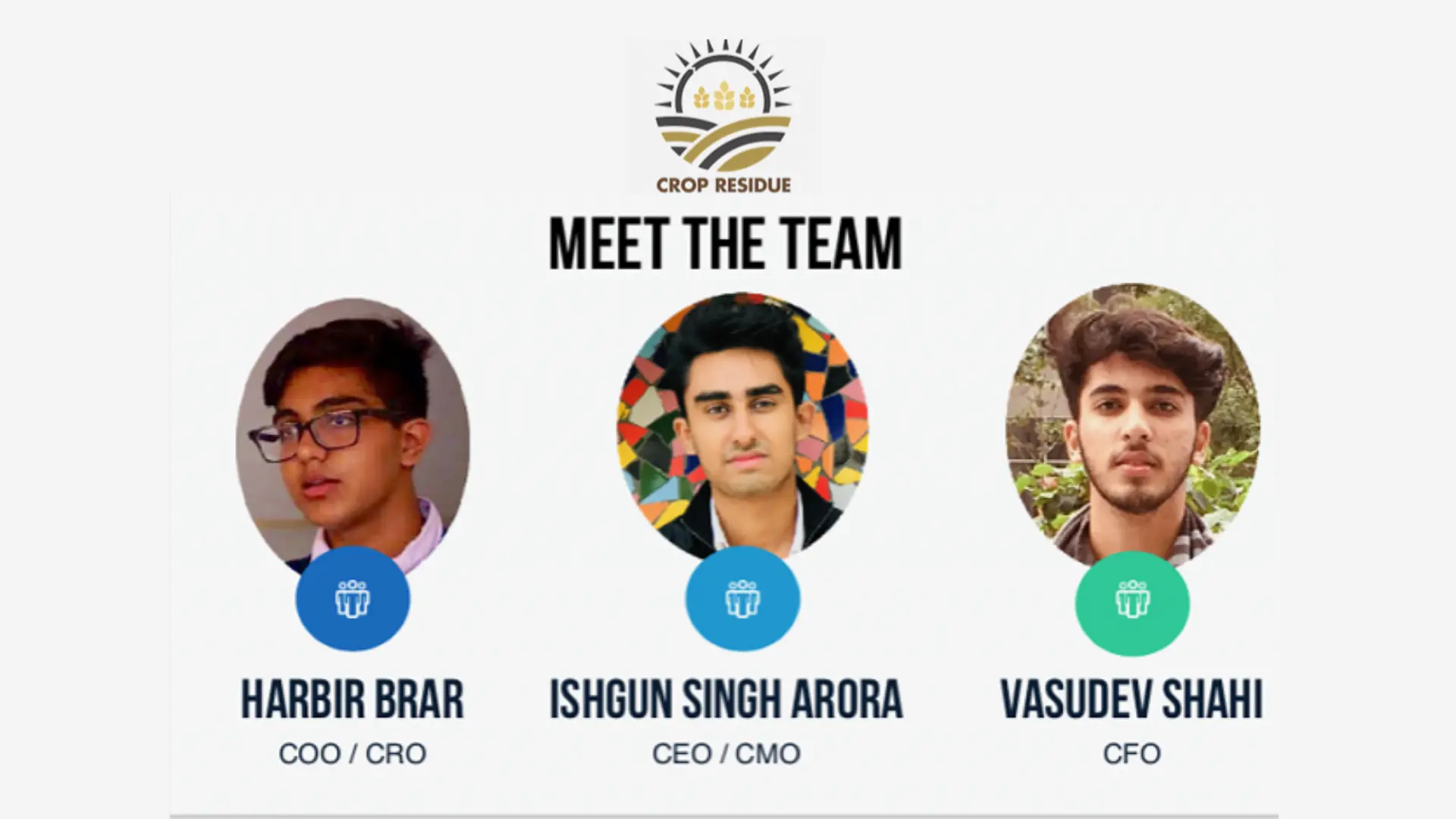
- The Supply Chain Model (Grade 11 / LaunchX): A business that bought crop stubble from farmers to save them from government disposal fines, then sold the material at a margin to the manufacturing industry.
- The Community Platform (Late High School): Described by Ishgun as being "like LinkedIn, but focused on entrepreneurship." It was a networking platform used across thousands of Indian high schools to help students pitch ideas and find co-founders, and it even earned an official recommendation from India’s cabinet minister for entrepreneurship.
- NextGen Tutors (College): a COVID-19 era Zoom tutoring business that connected students in Tier 2 and Tier 3 cities with top-tier tutors, utilizing 100-200 student classrooms to create highly profitable unit economics.
- The Fashionverse (College Junior Year): Influenced by his immersion into US and Silicon Valley culture, this was Ishgun's first time raising venture capital as part of his contribution to the startup. The startup sold digital clothing NFTs for users to wear across gaming platforms like Roblox and Fortnite, as well as social media filters on Snapchat.
- XLR8 AI (Age 24-Present): Ishgun’s current venture helping enterprise clients and organizations optimize their presence on AI search engines like ChatGPT and Gemini.
External Factors vs. Internal Execution: Knowing When to Fold
"Not all attempts turn out to be strong businesses," Ishgun notes. "They do turn out to be good products... but you have to know when to stop."
Deciding when to move on from a venture usually came down to recognizing its inherent limits, whether they were driven by internal lifestyle shifts or external market forces. The crop-stubble business he built at LaunchX, for example, had a solid model that helped people, but it was strictly seasonal. "You can make money every summer when the crops are working, but it’s not a scalable thing I can make a living out of.”
With NextGen Tutors, the business was highly profitable, but as the pandemic restrictions eased and Ishgun prepared to return to the US for college, the operational demands no longer fit his lifestyle. Instead of shutting it down, he successfully passed the business over to his mother to run.
Perhaps the toughest lesson came with The Fashionverse. Ishgun had successfully raised venture money, and the product was culturally relevant during the metaverse boom. But in 2022 and 2023, the crypto market crashed. "Industry tailwinds, you couldn't control those," he explains. Recognizing that the macroeconomic environment had fundamentally shifted against them, along with the founders, he made the analytical decision to call it quits rather than dragging it out.
The "Right Time, Right Place" Formula
After shutting down The Fashionverse and spending a year and a half working at an acquired Web3 data API startup as their first hire, Ishgun moved to San Francisco. Six months later, he launched XLR8 AI.
After five previous ventures, Ishgun immediately recognized that this one was different. XLR8 AI didn't have a seasonal ceiling. It wasn't reliant on a temporary global lockdown. And instead of fighting a crashing market, it was riding the biggest technological tailwind of the decade: the shift from Google search to AI generation.
"This one is what you would call: right time, right theme, right place, right experience. Everything plays a role in learning to some extent... I wouldn't extend something for longer than it should be, which is why I would move on to something else at the right time. Until I found something, which is the current company, that is truly the next X years of my life."
The Takeaway
For young founders, there is often immense pressure to make your very first idea your life’s work. Ishgun’s entrepreneurship journey truly proves the opposite.
True endurance isn't about refusing to quit. Those who succeed will have the pragmatism to evaluate market timing, unit economics, and lifestyle fit, and know when a project has reached its ceiling. By viewing early ventures as stepping stones rather than permanent commitments, young founders can build the pattern-recognition required to spot a truly scalable opportunity when it finally arrives. Read more about Ishgun’s journey here.
Related articles
.webp)
