


From Self-Doubt to Startup Mindset: Christine Sampson's LaunchX Story
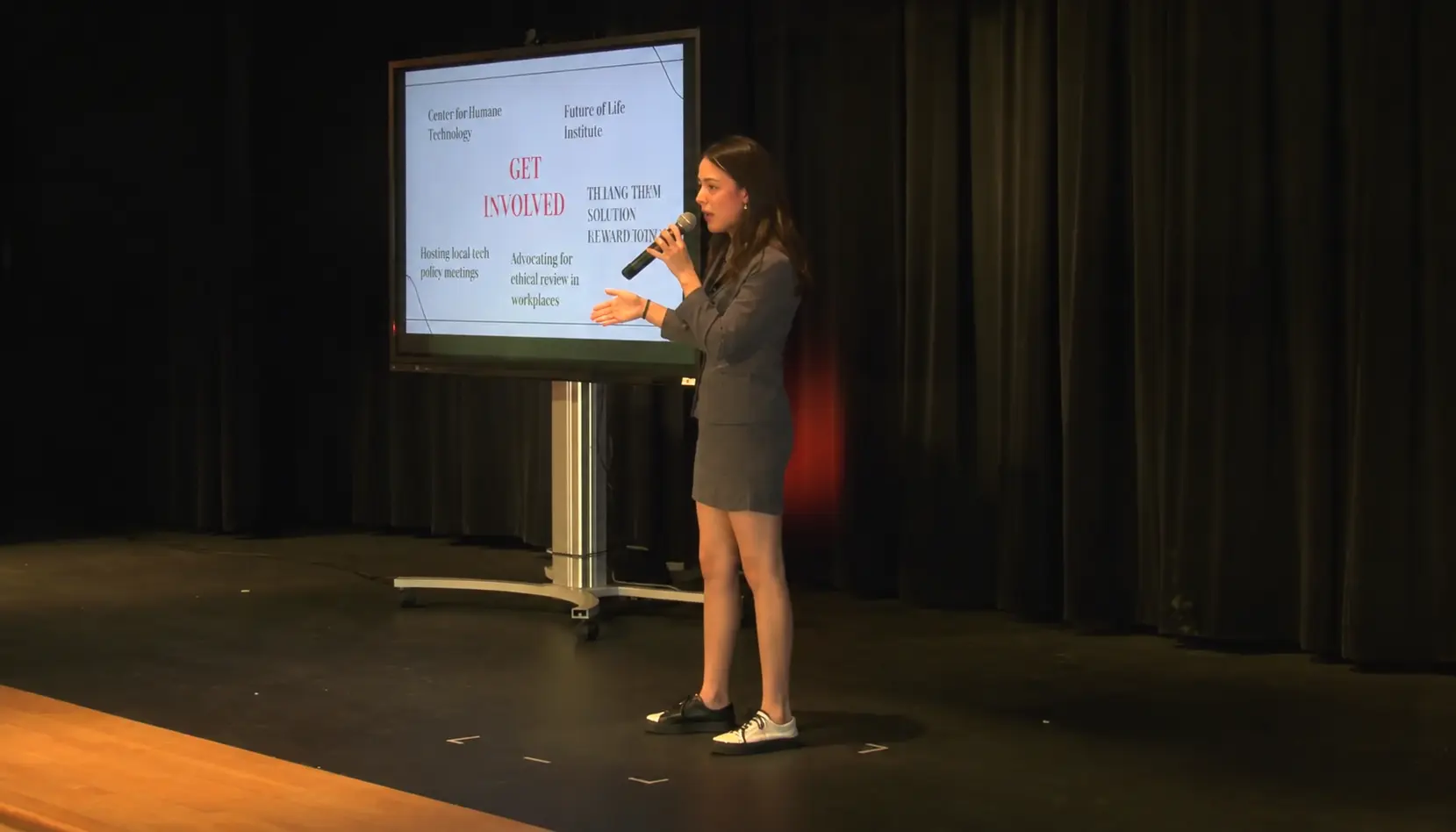
Months before she found herself at the top of a LaunchX leaderboard, Christine Sampson was standing backstage at a TEDx event wondering whether she could go through with the talk she had spent months preparing.
Overwhelmed by nerves and convinced she wasn't ready, she walked off stage before her presentation had even begun. Looking back, that moment wasn't really about public speaking. It was about something she would spend years learning: how to trust her ideas, contribute even when she felt uncertain, and stop waiting for confidence to arrive before taking action.
Building Confidence Beyond External Validation
For much of her life, Christine struggled with self-doubt.
Like many high-achieving students, she measured herself against the people around her, constantly looking for reassurance that she was saying the right things, making the right choices, and meeting everyone else's expectations. The more she relied on other people's approval, the harder it became to trust her own instincts.
"If I could speak to my middle-school self," she says, "I would tell her that she doesn't need to become a version of herself that everyone else approves of." At the time, however, that lesson was easier said than done.
For years, confidence felt like something other people naturally possessed. Christine assumed that the students who spoke up most often, took on leadership roles, or seemed comfortable sharing their opinions simply had a level of certainty she lacked. It took time for her to realize that confidence is rarely a prerequisite for action. More often, it is the result of taking action repeatedly, even when uncertainty is still present.
The TEDx Experience That Changed How She Saw Herself
One of the moments that forced Christine to confront that reality came during a TEDx event she had spent months preparing for.
Standing backstage just before her talk, the pressure became overwhelming. Years of self-doubt caught up with her all at once, and suddenly the thought of stepping onto the stage felt impossible. Convinced she couldn't do it, Christine left the stage area and headed into the hallway. She had already packed her belongings and was prepared to leave. In her mind, the event was over before it had even begun.
Then a group of students she barely knew found her backstage.
They told her that her talk was one of their favorites, that her ideas deserved to be heard, and that she was underestimating herself. Their encouragement gave her the push she needed to walk back onto the stage and finish what she had started. This marked the beginning of a shift in how she viewed herself and her ideas. The TEDx experience challenged her to start trusting herself first.
Learning to Trust Her Ideas
That lesson continued to surface in smaller, less dramatic moments.
During an English class discussion, Christine shared her interpretation of a novel only to have several classmates immediately disagree with her analysis. Earlier in her life, she likely would have backed down and assumed they were right. Instead, she continued developing her argument and stood by her perspective.
When the assignment was returned, her analysis received one of the highest grades in the class.
"My ideas didn't become valuable because others immediately agreed with them," she says. "They were valuable because I was willing to stand by them."
The experience reinforced something she was slowly beginning to understand: ideas do not become valuable because they receive immediate approval. Sometimes the most important thing you can do is continue exploring an idea even when not everyone sees its value right away.
Learning to trust her own thinking became an important turning point. It taught her that disagreement is not necessarily a sign that you're wrong, and that innovation often begins with perspectives that challenge conventional thinking.
How LaunchX Shaped Her Entrepreneurial Mindset
That mindset became even more important when Christine joined LaunchX.
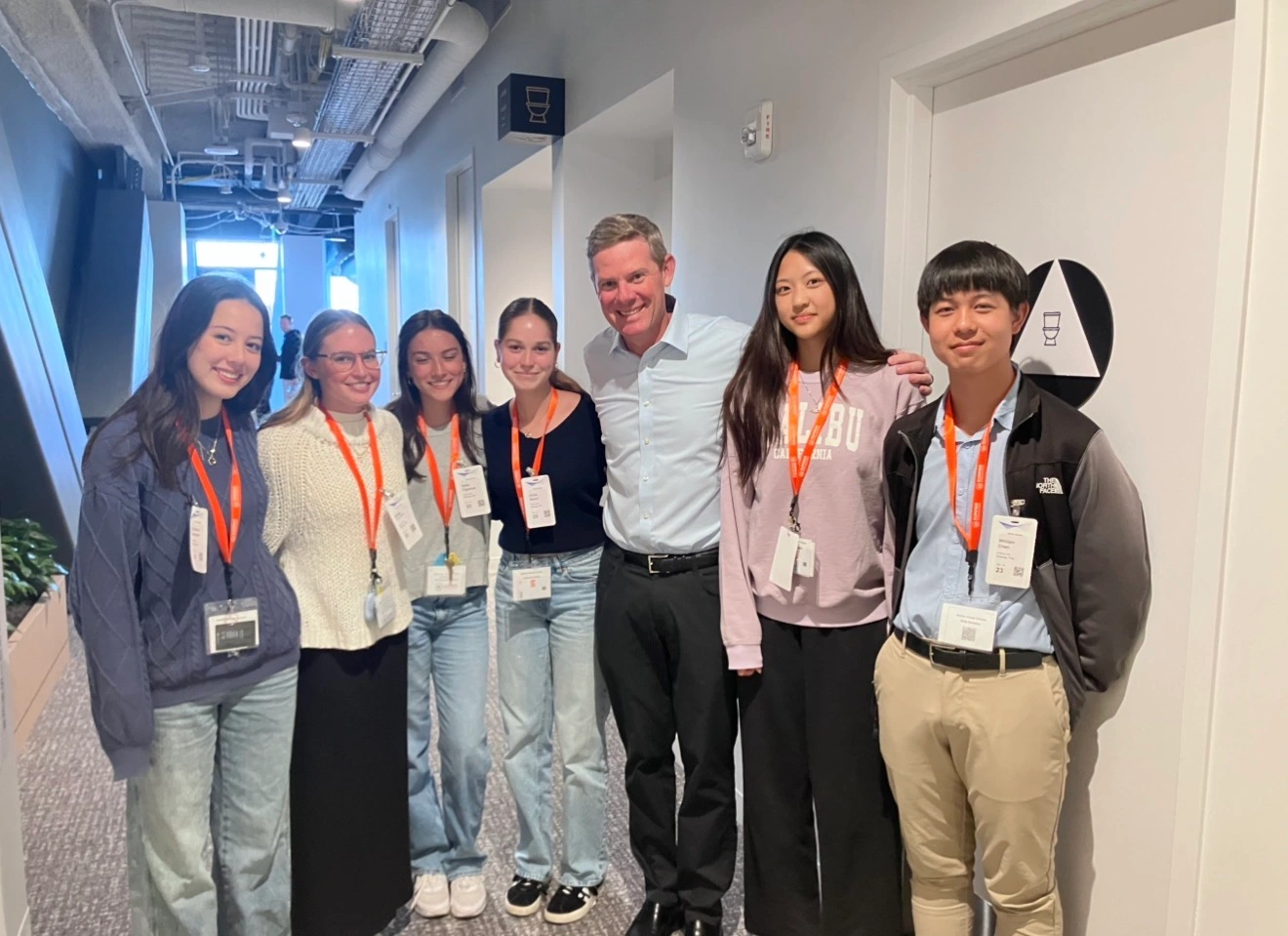
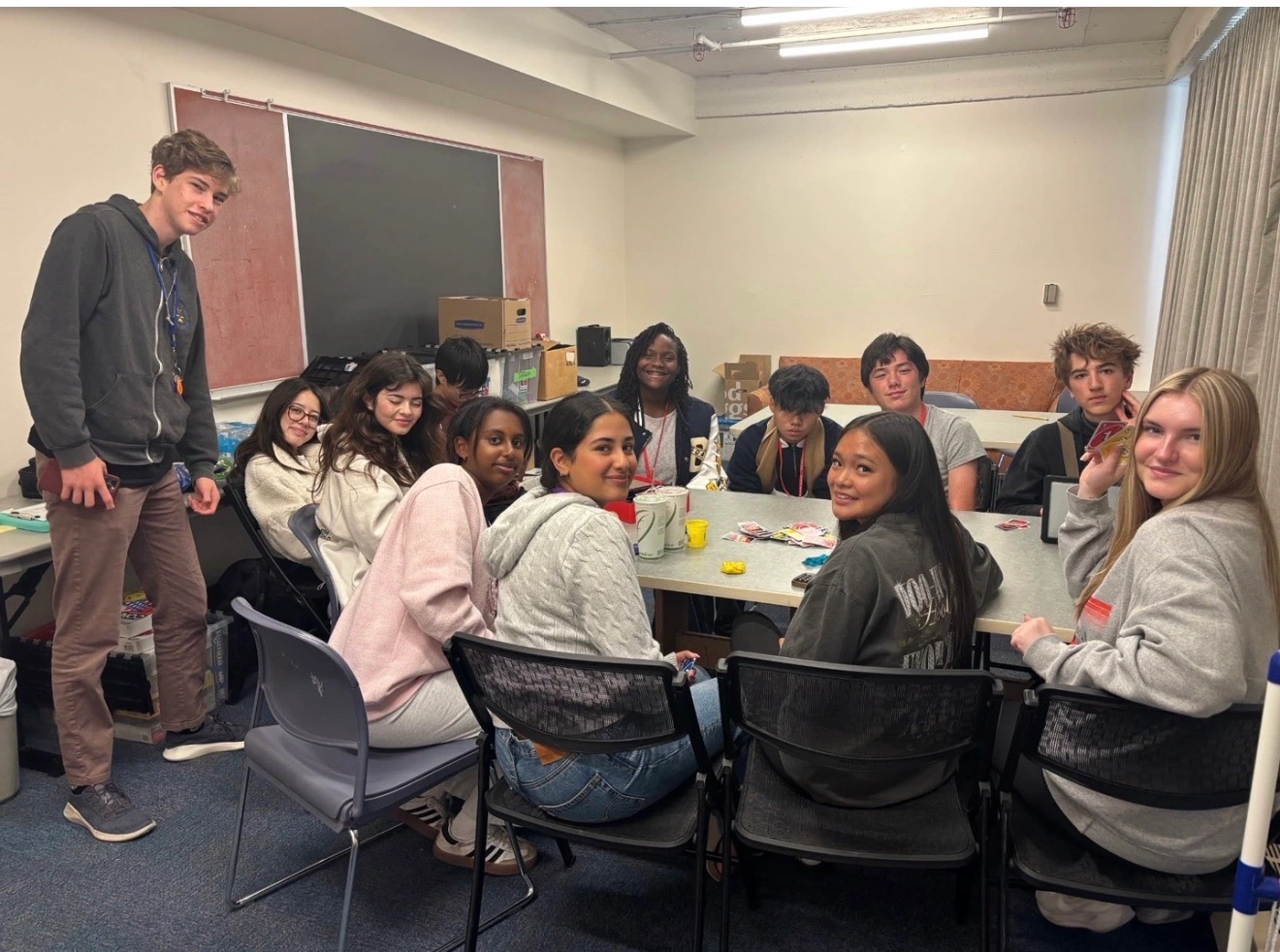
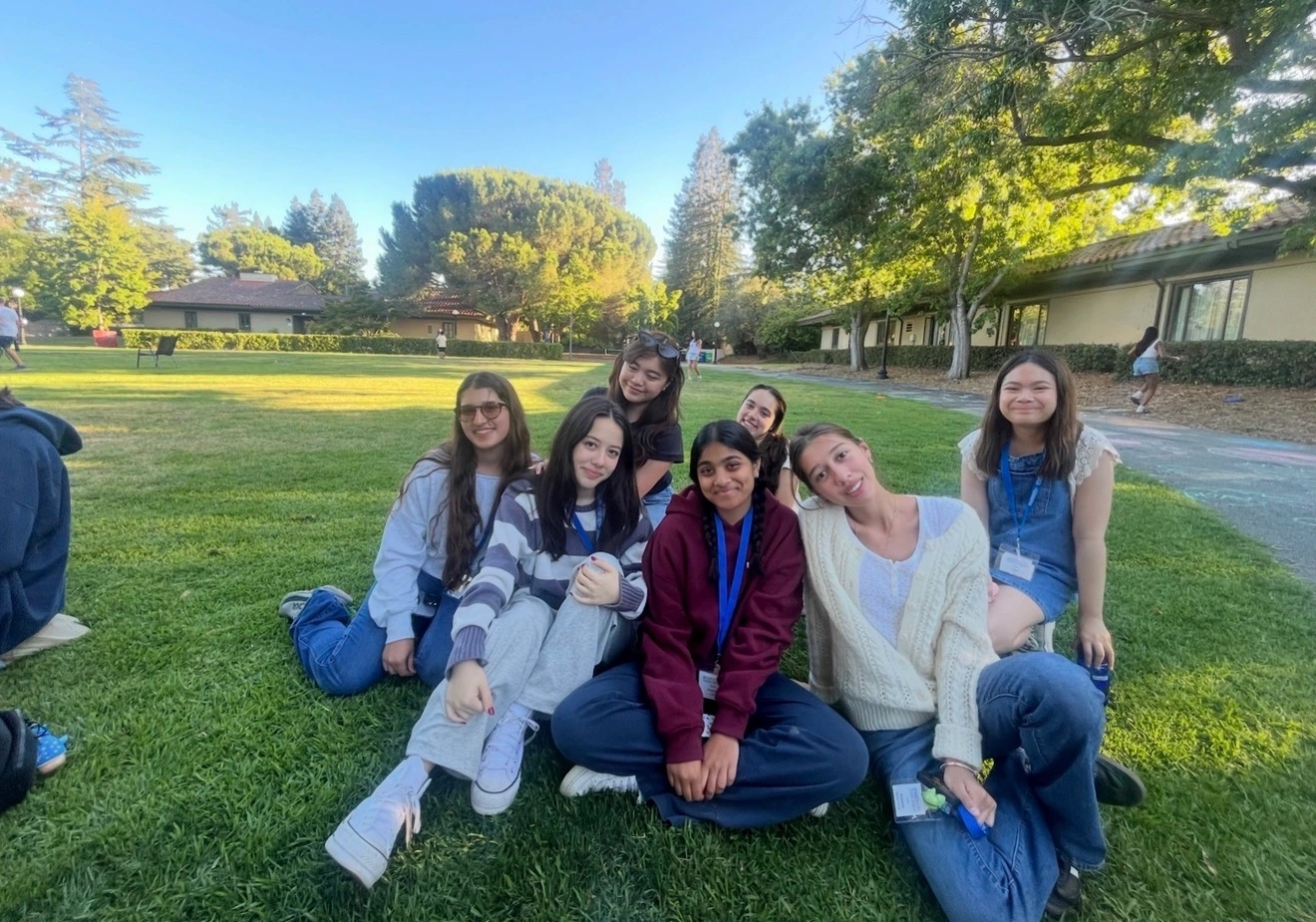
Like many students entering the program, she found herself surrounded by ambitious, talented peers who seemed eager to contribute, challenge ideas, and participate in every discussion. During the first few days, she often got answers wrong and found herself navigating unfamiliar challenges.
The difference was that this time, she didn't let that stop her.
Rather than waiting until she was certain she had the right answer, she continued asking questions, participating in discussions, and sharing ideas. The more she contributed, the more she realized that entrepreneurship isn't about always being right. It's about being willing to test ideas, learn quickly, and stay engaged even when uncertainty is part of the process.
"People often assume I'm naturally confident because I constantly spoke during LaunchX," she says.
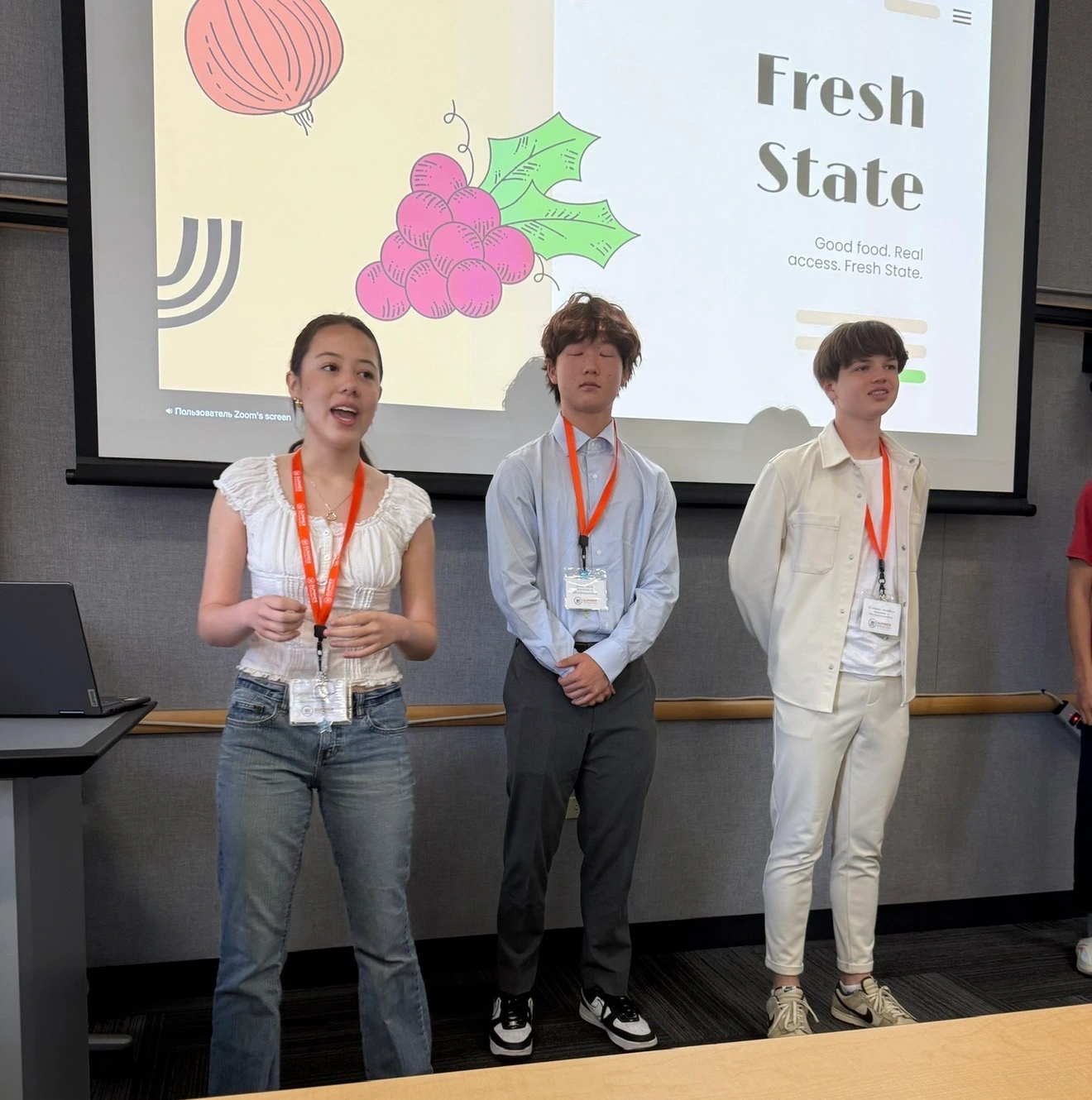
The reality, she explains, was much simpler. She had stopped waiting for confidence to arrive before taking action. By the end of the program, Christine found herself at the top of the LaunchX leaderboard. While the achievement was exciting, what mattered most to her wasn't the ranking itself. It was what the experience represented.
"I had become someone younger I would never have recognized," she says. "Not because I was suddenly the smartest person in the room, but because I finally stopped letting fear control me."
Looking Ahead: Leadership, Impact, and Growth
Christine sees herself pursuing a future in strategy and consulting, helping organizations solve complex problems and navigate uncertainty. Yet when asked how she hopes people will remember her, her answer has little to do with career titles or professional achievements.
"I hope people remember me as someone who made them feel valued," she says.
More than anything, she hopes to create the kind of environment that helped her find her own voice, where people feel comfortable sharing ideas, asking questions, and contributing even when they aren't completely sure of themselves.
Looking back, Christine doesn't see confidence as something people either have or don't have. She sees it as a skill that develops every time you choose action over hesitation. That lesson followed her from a TEDx stage to classroom discussions and eventually into entrepreneurship. At LaunchX, she discovered that building something new rarely begins with certainty. It can begin with asking a question, sharing an idea, or speaking up before you know exactly how it will be received.
For Christine, developing a startup mindset wasn't about becoming fearless. It was about learning to trust herself enough to take the next step anyway.
Related articles

.webp)
