The LaunchX Lounge: How to Build Yourself Into a Founder with Brett Thomas
There is a widespread misconception that entrepreneurship is a rare trait you either inherit or you don't. But the philosophy driving programs like LaunchX tells a completely different story. The focus isn't just on building a standalone business; it is about the deliberate act of building yourself into a founder.
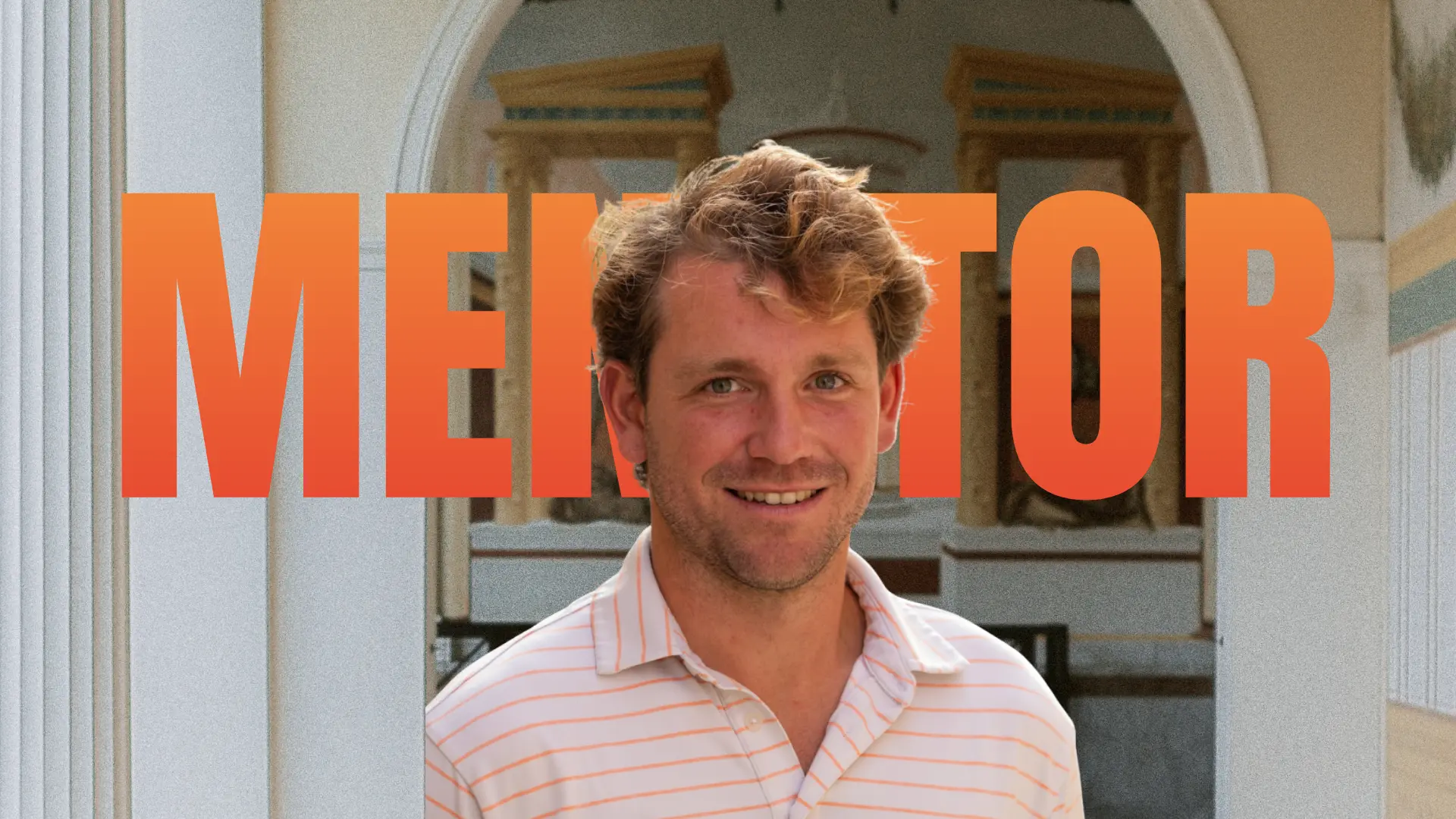
To understand how young entrepreneurs can develop the mindset and practical skills to make launching a business a repeatable process, we sat down with Brett Thomas, LaunchX Education & Student Success Manager. Having witnessed firsthand the transformative power of starting early, Brett believes high school is arguably the most perfect, risk-free window of time a person will ever get to test the entrepreneurial waters.
"It's a perfect time in your life to do it," Brett observes. "You are totally free to make mistakes and fall on your face."
But what happens if that first high school business fails? According to Brett, that's not only okay; it's expected, and it's a crucial part of the process.
The Reality of the First Business
There is a tough reality to swallow when launching your first startup: it will probably fail. Brett is refreshingly honest about the longevity of the businesses started in high school programs, noting that it is highly likely those initial teams and concepts won't last forever.
However, the survival of that specific business was never the ultimate goal. The real value lies entirely in the experience gained.
"You will see that you can, with a good team and a good idea, get the momentum going on a business very quickly. So then that becomes repeatable, and whether it's 5 years or 30 years from now, you will feel totally capable if you find a good opportunity that you can run with it."
Learn to Ride Your First Waves
There are two things in the world that Brett loves most: helping young founders reach their full potential and surfing. To illustrate this concept, Brett draws on a surfing metaphor.
Starting that first, bare-bones business is just like figuring out the basics on the water. "Once you know how to pop up and catch a wave, you can do it again," he says. "And then what it allows you to do is go catch more serious waves in the future."
In the beginning, nobody is paddling out into massive, dangerous swells. Young founders are catching small, soft, slopey waves using a very forgiving longboard. The goal is simply to get pushed into the whitewater, pop up, and ride. The magic happens the moment they successfully ride that first small wave. Once you capture that fleeting feeling, referred to as the juice, you are hooked. This initial success, however small, builds confidence. It shows young founders that they can execute an idea.
"You keep building to maybe a more complex purpose, a bigger challenge," Brett continues. "'Oh, maybe I'm going to try and do a huge turn on this one. Let's see if it works. And then hopefully a few years down the line, you feel totally capable to really go after some big waves."

Focus on the Foundation, Not Just the Passion
Building yourself into a founder also means learning how to choose the right wave to catch in the first place. It is incredibly easy for young people to get paralyzed by a notebook overflowing with exciting ideas.
Brett knows this paralysis firsthand. At one point in his career, he found himself bouncing between wildly different concepts, from starting golf businesses to protecting lakes from cyanobacteria. But he soon realized he wasn't actually taking his own advice. Instead of chasing random passions, he needed to look at the intersection of three specific pillars: skill sets, network, and resources.
Your Skill Sets
You don't need a resume full of experience; you just need to identify what you are naturally good at right now. For example, if you are bilingual or speak perfect English in a community where others struggle with it, that is a highly valuable skill. You can build a business around teaching others and opening global doors for them. If you stubbornly pursue an idea completely outside of your existing capabilities, it isn't impossible, but it will be significantly harder to get off the ground.
Your Network
Young founders severely underestimate the advantage of their age. People are genuinely shocked by how far a simple outreach email can go. Whether it is making an introduction to an industry expert or simply forwarding a pitch, professionals feel good about giving young entrepreneurs a leg up. Get yourself out there, tell your network what you are building, and let people help you.
Your Resources
"Resources" can sound like a vague corporate buzzword, but for a young founder, it is incredibly tangible. It simply means: what do you already have free access to? Do you have your own car? Suddenly, a massive amount of local or delivery-based opportunities open up. Do you have a high-powered gaming computer at home? Does your high school have an open innovation lab, or a teacher who is exceptionally good at coding? Utilizing the physical assets you already have sitting right in front of you drastically lowers the barrier to entry.
"If you can combine those three, that's typically where a business will start with the least friction," Brett advises. Find a real-world problem sitting right in the middle of your skills, network, and resources. That is exactly where you should start building.
When he finally applied this framework to his own life, his path became obvious. His network was rooted in entrepreneurial education, his primary skill was public speaking, and the clear problem sitting in front of him was that traditional education was failing to teach students how to be creative. That exact intersection is what led him to a career in programs like LaunchX. He put the other businesses on the back burner and focused on the path of least friction.
Ultimately, building yourself into a founder isn't about achieving immediate, lasting success on your very first try. It's about getting on the board, taking that terrifying first ride, falling off, and knowing exactly how to paddle back out to catch the next, bigger wave.
The LaunchX Lounge brings real, unfiltered insights from our team and the founders we admire most in the startup world, delivered to you just like a downtime conversation with friends.
Related articles