9 Famous Entrepreneurs Who Prove You’re Never Too Young To Start
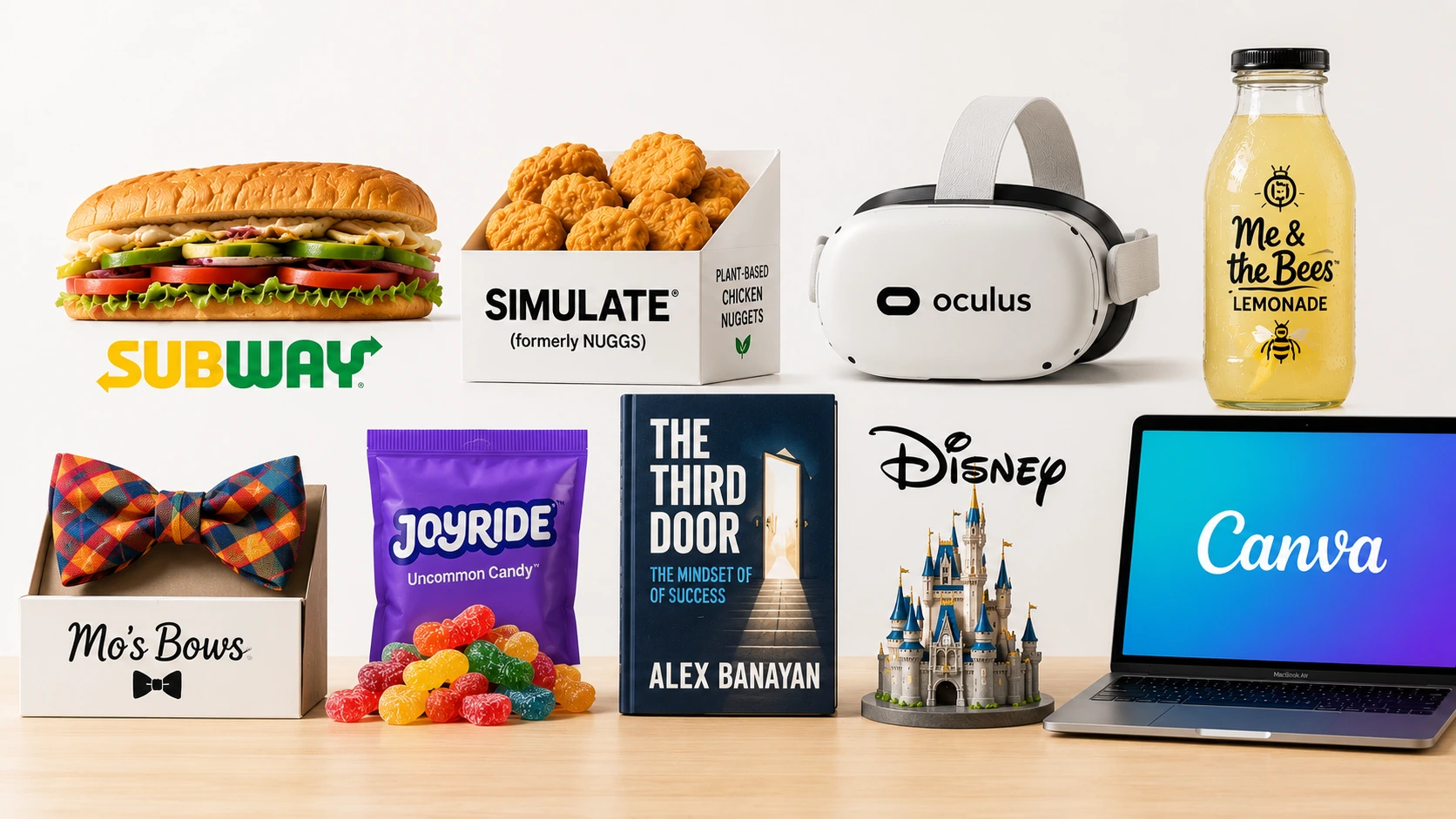
Many of the world's most recognizable founders started while they were still teenagers or in their early twenties. They didn't have MBAs, million-dollar investments, or perfectly polished business plans. What they did have was curiosity, persistence, and a willingness to learn by doing.
Whether you're building your first startup or simply exploring entrepreneurship, here are 9 entrepreneurs who started young and the lessons you can learn from each of them.
1. Fred DeLuca (Subway)
Started at: 17
In 1965, 17-year-old Fred DeLuca wanted to become a doctor but didn't have enough money to pay for college. Family friend Dr. Peter Buck offered an unexpected solution: borrow $1,000 and open a sandwich shop.
The pair opened a small restaurant called Pete's Super Submarines in Bridgeport, Connecticut. Business was slow, and by the end of the first year, the store was struggling. While others would have accepted defeat, Fred and Peter made a surprising decision: to open a second location. They realized the problem wasn't the business itself but the location and the lack of brand recognition. More stores meant greater visibility, and eventually customers began to recognize the business as a growing chain.
They later shortened the name to Subway, which was easier to remember and avoided confusion with Pete's Submarines, a name that many customers misheard in radio advertisements.
Today, Subway has grown into one of the world's largest restaurant franchises.
How he succeeded:
- Look for the real problem: Fred didn't assume the product had failed. He identified that visibility, not sandwiches, was holding the business back.
- Build systems, not just products: Subway became successful because it was designed to be easy for franchisees to operate and scale.
- Branding matters: Sometimes a simple name change can make a business significantly easier for customers to understand and remember.

2. Ben Pasternak (SIMULATE, formerly known as NUGGS)
Started at: 18
Before launching a food company, Ben Pasternak was already known for creating viral mobile apps as a teenager in Australia. At 18, he moved to New York and founded NUGGS, a plant-based chicken nugget company.
Instead of approaching food like a traditional consumer brand, Ben treated it like a software startup. Without claiming his product was perfect from day one, he openly released updated versions in response to customer feedback. His website even included "release notes" explaining what had changed with each iteration.
His marketing strategy was equally unconventional. While established food brands relied on television advertising, NUGGS leaned into memes, internet humor, and social media, making the product feel more like a tech launch than a frozen food company.
How he succeeded:
- Launch before you're perfect: Ben embraced continuous improvement instead of waiting for the "finished" product.
- Turn customers into collaborators: By publicly sharing product updates, he made customers feel like they were helping build the brand.
- Meet your audience where they are: Instead of copying traditional food marketing, he created content designed for internet-native consumers.

3. Palmer Luckey (Oculus VR)
Started at: 16
Long before virtual reality became mainstream, Palmer Luckey was building VR headsets in his parents' garage. He spent countless hours on online forums where VR enthusiasts discussed new technology and shared feedback. He posted prototypes, asked questions, and learned directly from experienced engineers and hobbyists around the world.
In 2012, Palmer launched a Kickstarter campaign for the Oculus Rift headset. The campaign quickly exceeded its funding goal, proving there was genuine demand for affordable virtual reality. Just two years later, Facebook acquired Oculus for approximately $2 billion.
How he succeeded:
- Build in public: Sharing your work early allows others to improve your ideas before launch.
- Communities accelerate learning: Palmer's greatest advantage was the internet, not a lab.
- Validate before scaling: Kickstarter went beyondwasn't just a fundraising tool. Ias it proved that real customers wanted the product.

4. Mikaila Ulmer (Me & the Bees Lemonade)
Started at: 4
After being stung by two bees as a young child, Mikaila Ulmer became fascinated by the important role bees play in the environment. Around the same time, she discovered her great-grandmother's flaxseed lemonade recipe and decided to combine the two ideas. The result was Me & the Bees Lemonade, a beverage company that donates a portion of its profits toward bee conservation.
As the business grew, Mikaila won youth entrepreneurship competitions before appearing on Shark Tank, where investor Daymond John invested $60,000 and became an important mentor in helping her scale the brand nationally. Today, her lemonade is sold in major retailers across the United States.
How she succeeded:
- Purpose can differentiate your business: Customers remembered the mission behind the lemonade, not just the flavor.
- Find mentors who have already solved your problems: Daymond John's guidance became just as valuable as his investments.
- Stories build strong brands: People connected with Mikaila's personal journey and mission to protect bees.

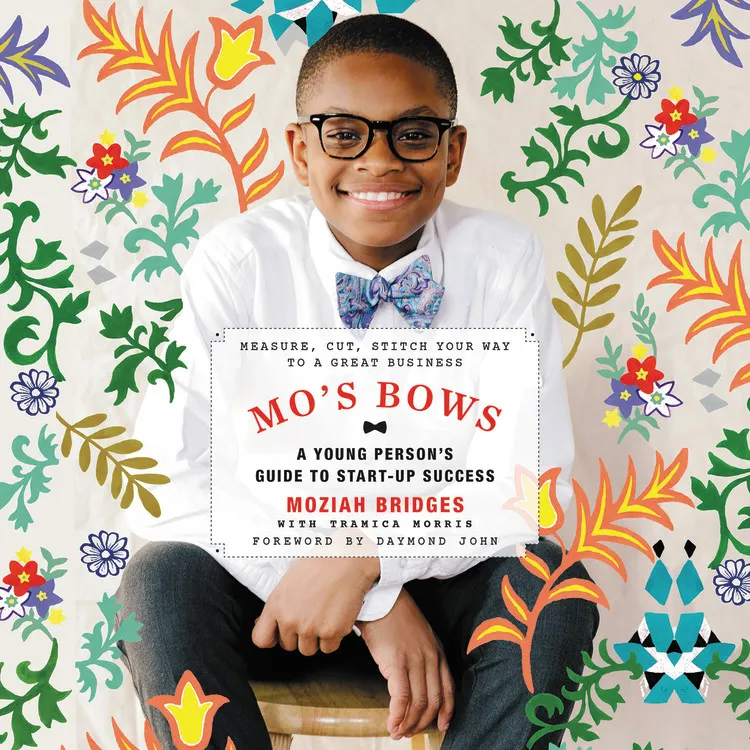
5. Moziah Bridges (Mo's Bows)
Started at: 9
At just nine years old, Moziah Bridges wanted stylish bow ties but couldn't find designs he liked in stores. With help from his grandmother, he learned how to sew his own. What started as a hobby quickly became Mo's Bows, a business selling handmade bow ties online.
Instead of expanding into dozens of clothing categories, Moziah stayed focused on one product and became known for colorful, high-quality bow ties. As his reputation grew, he landed national media appearances, built partnerships with major brands, and eventually collaborated with the NBA on licensed bow tie collections.
Today, Mo's Bows has become a nationally recognized fashion brand and an example of youth entrepreneurship done right.
How he succeeded:
- Own a niche before expanding: Moziah became known for a single product rather than trying to build an entire fashion empire overnight.
- Turn your passion into expertise: His genuine interest in design helped his products stand out.
- Small beginnings can lead to big opportunities: National partnerships came only after years of consistently delivering great products.
6. Ryan Trahan (Neptune Bottle & Joyride)
Started at: 15
Ryan Trahan definitely didn't set out to become an entrepreneur. He became known for his YouTube videos as a teenager. As his audience grew, he realized that content could become more than a hobby. While attending Texas A&M University, he launched Neptune Bottle, a reusable water bottle company designed to reduce plastic waste.
Soon after, Ryan found himself in a dispute with the NCAA, which ruled that earning money by promoting his own business on YouTube violated its amateur-athlete rules. Faced with a difficult decision, he chose to leave collegiate athletics and focus on entrepreneurship.
That decision ultimately paid off. Ryan continued to grow his YouTube channel through creative storytelling, including his wildly successful "Penny Challenge" series, in which he traveled across America, starting with just one penny, while raising millions of dollars for charity. In 2024, he co-founded Joyride, a lower-sugar candy company that quickly became one of the fastest-growing creator-led consumer brands.
How he succeeded:
- Build trust before you build products: Ryan spent years growing an audience before launching new businesses, giving him a community that genuinely believed in what he created.
- Storytelling is a competitive advantage: People didn't just buy Ryan's products—they followed the journey behind them.
- Your personal brand can become your greatest asset: By consistently creating authentic content, Ryan built credibility that extended beyond YouTube.

7. Alex Banayan (The Third Door)
Started at: 18
As a freshman in college, Alex Banayan had an ambitious goal: interview the world's most successful people to discover how they achieved extraordinary success. Although there was one problem - he didn't have the money to fund the project.
But here’s his solution, an unconventional one at that. Alex won a sailboat on the game show The Price Is Right, sold it, and used the money to finance his journey.
Over the next seven years, he interviewed leaders including Bill Gates, Lady Gaga, Jessica Alba, Maya Angelou, and Larry King. Along the way, he faced countless rejections, spent years tracking down hard-to-reach people, and learned that persistence often matters more than connections. Those interviews eventually became the bestselling book The Third Door, which has inspired entrepreneurs around the world.
How he succeeded:
- There is almost always another way in: Alex's "Third Door" philosophy reminds us that success often comes from finding unconventional paths rather than waiting for permission.
- Persistence compounds: Many of his biggest interviews took months or even years to secure.
- Preparation creates opportunity: Every interview resulted from extensive research, thoughtful outreach, and consistent follow-up.

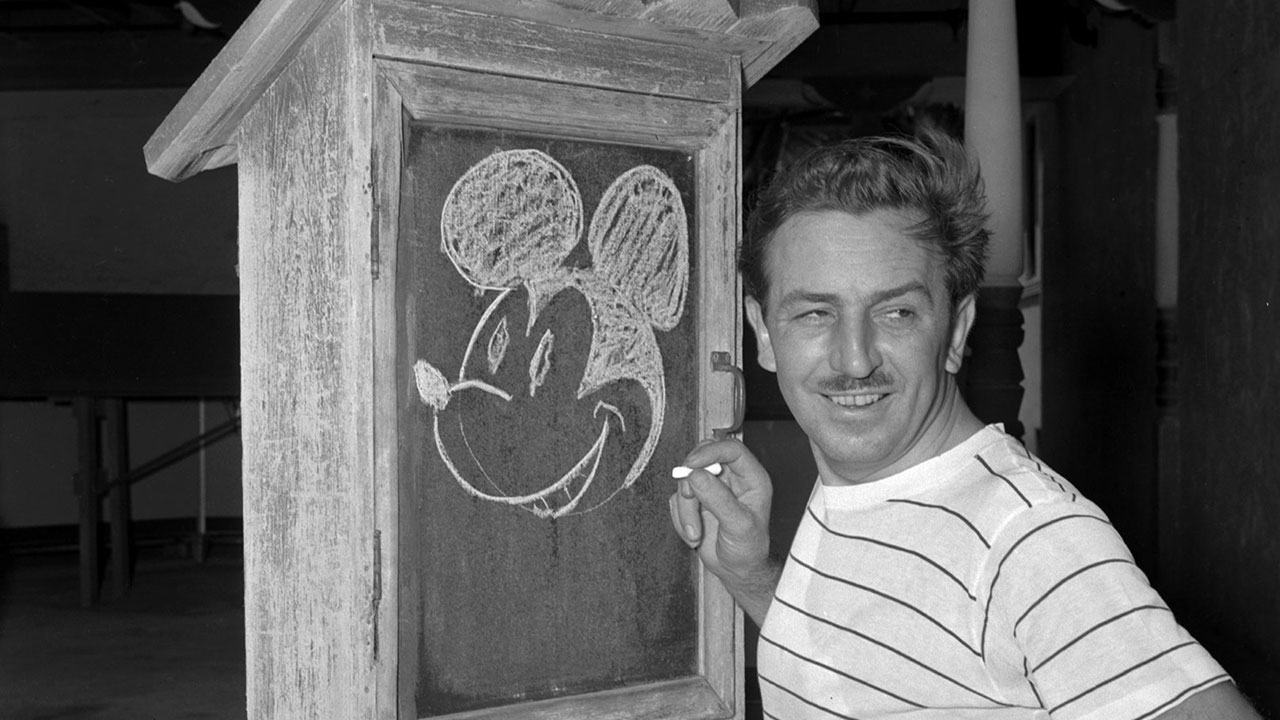
8. Walt Disney
Started at: 18
Long before Mickey Mouse became one of the world's most recognizable characters, Walt Disney was a young artist trying to build an animation business in Kansas City. His first company, Laugh-O-Gram Studio, eventually went bankrupt. Instead of giving up, Disney packed his belongings, moved to Hollywood with little money, and started over.
Together with his brother Roy, he founded what would become The Walt Disney Company. Over the following decades, Disney pioneered synchronized sound in animation, introduced the first full-length animated feature film, and transformed the entertainment industry through storytelling and innovation.
How he succeeded:
- Failure is often part of the journey: Disney's first company failed before he found lasting success.
- Innovation creates lasting advantages: He consistently invested in new technology and creative ideas before others did.
- People remember stories more than products: Disney built emotional connections that have lasted for generations.
9. Melanie Perkins (Canva)
Started at: 19
Long before Canva became one of the world's most popular design platforms, Melanie Perkins was teaching graphic design software to fellow students at the University of Western Australia. She noticed that learning professional design tools was unnecessarily difficult, often taking an entire semester just to master the basics.
Convinced there had to be a simpler way, Melanie co-founded Fusion Books at 19, an online platform that helped schools design and print yearbooks. The business expanded across Australia and gave her firsthand experience building a software company.
While running Fusion Books, Melanie realized the same technology could be applied to much more than yearbooks. She envisioned a platform where anyone, not just professional designers, could create presentations, social media graphics, resumes, and marketing materials through an intuitive drag-and-drop interface. That idea became Canva.
The road wasn't easy. Melanie and her co-founder, Cliff Obrecht, pitched hundreds of investors over several years before finally securing funding. Today, Canva has more than 200 million monthly active users worldwide and has transformed how people create visual content.
How she succeeded:
- Start with a focused problem: Canva didn't begin as an all-in-one design platform. It started with a single use case - making school yearbooks easier to create - and expanded from there.
- Persistence often matters more than the first pitch: Melanie faced years of investor rejection before finding people who believed in her vision.
- The best products make complicated things simple: Rather than building more powerful software, Canva succeeded by making design accessible to everyone.

Every Successful Founder Was Once A Beginner
The stories of these entrepreneurs may look different, but they all share one thing in common: you don't need to have everything figured out to begin. Remember that every successful founder was once a beginner. The best time to start isn't when you're ready; it's when you're curious.
Related articles