


How to Turn a Student Competition into Entrepreneurship Launchpad
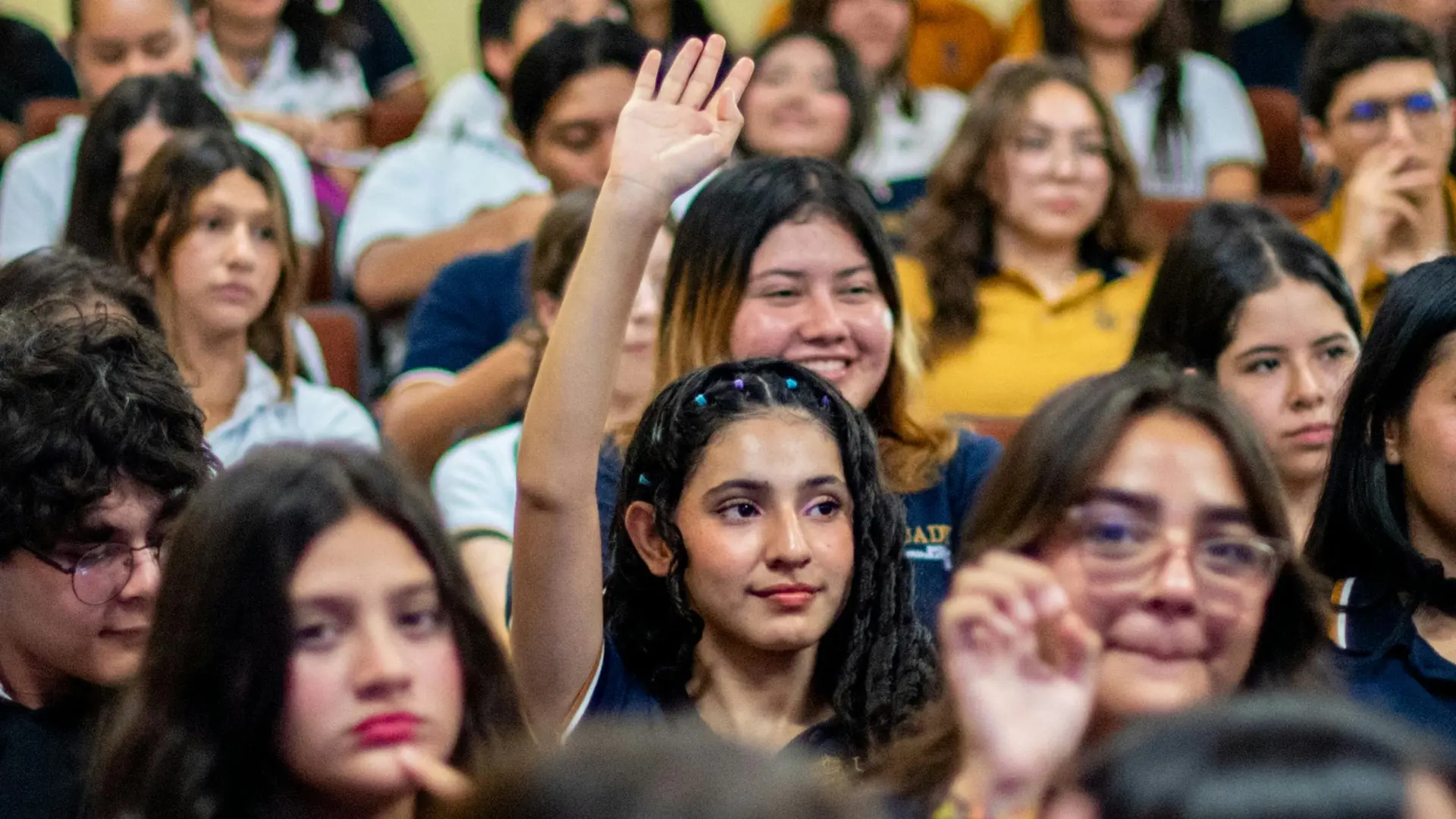
"Talent is everywhere, but opportunity is not."
This is the philosophy of Jesse Casters, founder of DINAO and a key mentor within the AwardX ecosystem. For many young founders, a competition like AwardX—the global youth entrepreneurship competition powered by LaunchX—is the first time their talent meets the opportunity it deserves.
But how do you ensure you don’t just participate, but actually utilize the platform to change your trajectory? Here is how a youth entrepreneurship competition bridges the gap between where you are and where you want to be.
Make Your Mark Beyond “Participant”
The biggest mistake students make is viewing judges as "critics" rather than "future partners." In a competition, your talent is on display, but it's your coachability that attracts opportunity.
Axel won AwardX East Africa 2025 with his project Liblio, and earned more than just a trophy. By establishing a genuine relationship with Jesse during the competition, Axel built a mentor–mentee relationship that continued long after, where he and Jesse would hop on a call once a month to discuss Axel’s progress on his startup journey. This eventually evolved into a professional opportunity, with Axel now interning at DINAO, supporting Jesse in his venture while gaining firsthand experience at a larger startup scale.
Lesson: Use your Q&A sessions and networking mixers to ask for stewardship, not just scores. Every touchpoint matters if you’re able to show your drive and eagerness to grow.

Leverage the Network to Solve "The Resource Gap"
Many students have world-changing ideas but lack the capital or equipment to build them. This is where the "Bridge" comes in. A student competition gives you a stage to tell your story to people who have the means to help you scale.
At AwardX, Eunchan pitched 3D Cure, a company creating 3D-printed prosthetics for children in Ethiopia. He needed a high-end 3D printer and supplies. Instead of just giving him a "good job," Jesse and his network in the Netherlands organized a 5K fundraiser, raising €1,500 to buy the equipment Eunchan needed.
Lesson: Don't just focus on monetary prizes; use the competition network to find specific resources. Whether it’s hardware, software, or legal advice, the people in the room are often one connection away from the "yes" you need.
Think Both Locally and Globally
It’s easy to think locally, especially when you’re looking to solve a problem in your own community. However, the most successful founders realize that while the problem is local, the opportunity is global. Jesse noted that students from regions like Kenya or Rwanda often bring a collectivist, collaborative mindset that Western "individualistic" markets are hungry for.
Frederick is a prime example of this in action. Through ongoing monthly mentorship after AwardX, he has been able to refine his impact-driven initiatives in Kenya by blending his local expertise with global business standards.
Lesson: Your unique cultural context can be one of your strongest assets. Use competitions to show how your "local" talent solves a problem with "global" potential. That perspective is the kind of innovation that investors and mentors are looking for.
Beyond the Competition
Entrepreneurship competitions like AwardX aren't just a one-time event. Think of it as an entry point into a global ecosystem of like-minded peers, sponsors, and mentors. Especially for students in regions with limited resources, these connections can create the difference between a project staying a dormant idea or evolving into a fully realized venture. As Jesse puts it, programs like these “bridge the gap between talent and opportunity.”
Lesson: Send that follow-up "thank you" email. Reaching out to a judge or mentor after the event is the most underutilized tool in entrepreneurship, and often the one that leads to the most opportunity.
Ready to bridge the gap? AwardX Kenya 2026 applications close on April 29. Enter here.
Related articles

.webp)
