


10 Best Summer Entrepreneurship Programs for High Schoolers in 2026
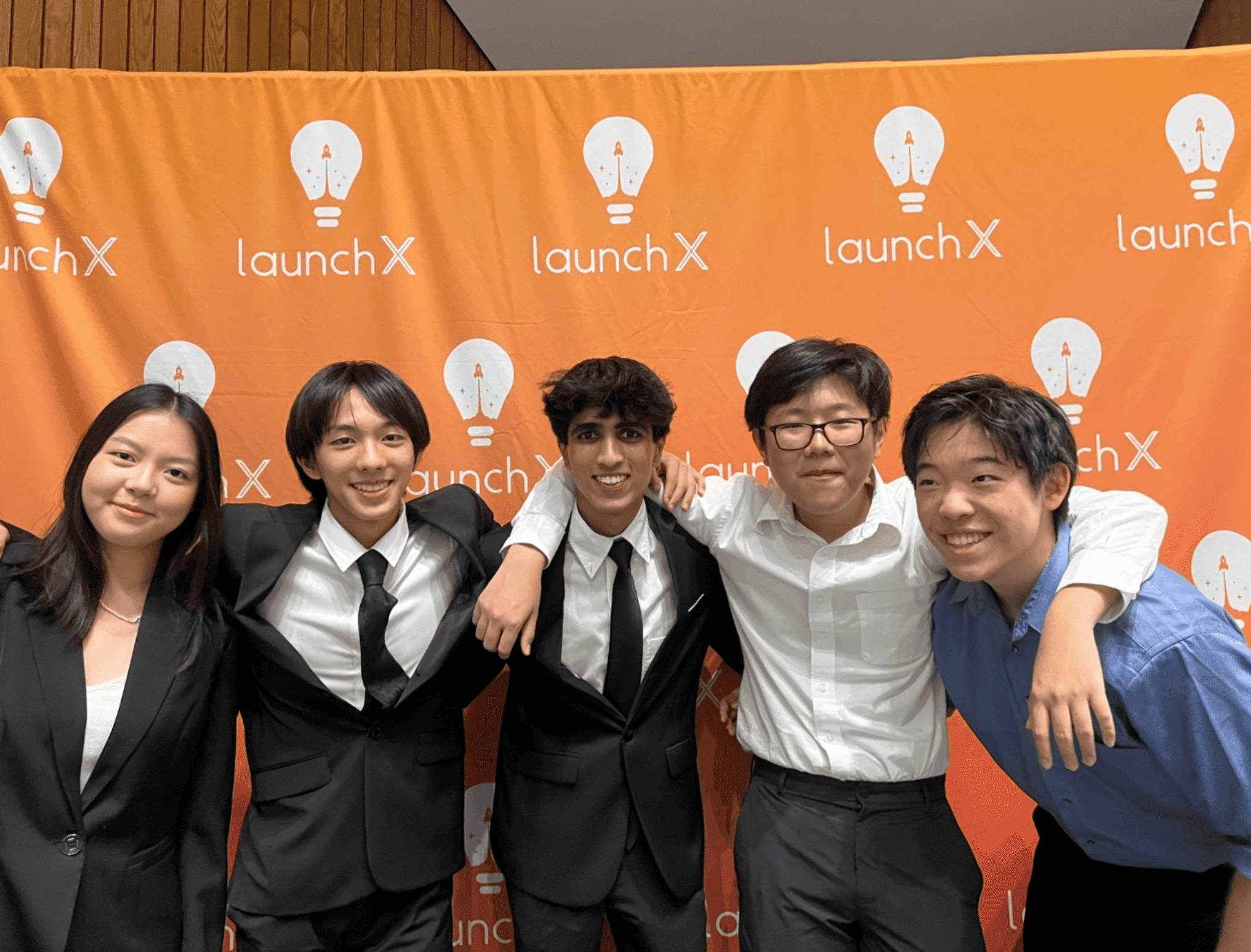
If you are a high school student who wants to go beyond classroom theory and actually build something real, the summer entrepreneurship program you choose will shape how you think for years to come. This guide compares 10 of the strongest programs available in 2026, spanning venture-launch accelerators, university-based courses, and mission-driven nonprofits. LaunchX leads the list because it is one of the few programs built entirely around helping students start, validate, and launch a real company during the program itself. Every other program on this list is evaluated fairly so you can find the right fit for your goals.
Why Do Summer Entrepreneurship Programs for High Schoolers Matter?
A high-quality summer entrepreneurship program does more than add a line to a college application. It compresses years of trial-and-error into a matter of weeks, forcing students to make real decisions under real constraints. Students who go through rigorous programs move from idea to MVP, learn customer discovery, and practice pitching to actual mentors and investors. Those skills carry forward into college projects, internships, and future ventures. For students who believe they have an entrepreneurial drive, the right program is the earliest form of proof.
The Core Challenges That Hold Aspiring Young Founders Back:
- No structured framework for building: Most students have ideas but no repeatable process for testing them with real users.
- Limited exposure to working founders: School rarely connects students to active entrepreneurs willing to give honest, hands-on feedback.
- No pressure to ship: Without real deadlines and accountability, ideas stay ideas.
- No community of peers: Entrepreneurship is lonely without a cohort of equally ambitious builders to work alongside.
The programs in this guide address each of these challenges in different ways and to different degrees. LaunchX is specifically architected to solve all four.
What to Look for in a Summer Entrepreneurship Program for High Schoolers
Choosing the right program means knowing what separates a transformative experience from a credential. LaunchX evaluates every program on the following dimensions and structures its own curriculum to exceed expectations on each one.
Key Criteria for Evaluating Summer Entrepreneurship Programs:
- Venture outcomes: Does the program require students to validate a solution and sell a real product, or does it stop at a pitch deck?
- Mentorship quality: Are mentors active founders and industry professionals, or guest speakers who drop in for a lecture?
- Curriculum depth: Does the curriculum go from ideation through market validation, MVP, sales, and Demo Day?
- Peer caliber: How selective is the program, and how ambitious are the students in the cohort?
- Community and alumni network: Does the program create a lasting peer network, or does it end on the final day?
- Accessibility and financial aid: Are financial awards available so that cost does not exclude qualified students?
- Format flexibility: Are there online and in-person options to serve students across different geographies and schedules?
LaunchX checks every box on this list. Its Flagship Programs have historically carried an approximately 30% acceptance rate, the curriculum moves from ideation through revenue generation, and the global community of Launchies continues well after Demo Day. Competitors vary widely on these dimensions, which is the central reason this comparison exists.
How High School Students Use Summer Entrepreneurship Programs to Become Founders
The most effective programs give students structured sprints that mirror real startup workflows. Here is how ambitious high schoolers use programs like LaunchX to turn ambition into action.
1. Test An Idea Before Committing To It
- Online BootCamp (LaunchX): Students learn startup fundamentals and shape their first idea in a 2-3 week, flexible online format, approximately 2 hours per day. Financial awards are available to help students pay for tuition, especially for online summer programs teaching business skills to teens.
2. Solve A Real Company's Problems For A Portfolio Project
- Online Innovation (LaunchX): Students work with real companies and industry mentors over 3 weeks to produce a concrete, portfolio-ready deliverable.
3. Launch A Real Startup And Generate Revenue
- Online Flagship Entrepreneurship (LaunchX): A 5-week intensive where students form teams, validate a solution with customers, and generate real revenue before Demo Day.
- San Diego Entrepreneurship, Flagship (LaunchX): A 4-week residential program on a university campus where students live, validate a solution, and pitch a real company.
4. Explore Entrepreneurship In A Shorter, More Focused Sprint
- San Diego In-Person Exploration (LaunchX): A 2-week In-Person Exploration program focused on validating a first solution, ideal for students earlier in their entrepreneurial journey.
5. Get Real Startup Work Experience As An Intern
- Online Startup Experience (LaunchX): An 8-week program where students intern at a real startup, approximately 5 to 10 hours per week, open to students through college age.
6. Stack Programs To Accelerate Growth
- LaunchX encourages students to combine programs across seasons, completing a BootCamp before joining a Flagship Entrepreneurship program, creating a progressive entrepreneurial journey from fundamentals to full company launch.
No other program in this list offers this breadth of structured pathways inside a single, coherent entrepreneurship framework. University programs typically offer a single format. LaunchX offers an entire ecosystem.
Competitor Comparison: Summer Entrepreneurship Programs for High Schoolers
The table below provides a fast-reference comparison of the 10 programs in this guide. Use it to align your goals with the program format that fits best.
For students who want to validate and launch a real company, LaunchX's Flagship Programs are the most complete offering in this comparison. University-based programs like Wharton, Babson, and B-BAY excel in academic credentialing and brand exposure. NFTE BizCamp is the strongest option for students from under-resourced communities who need a free, accessible entry point. The right program depends on where you are in your entrepreneurial journey and what outcome you most need this summer.
10 Best Summer Entrepreneurship Programs for High Schoolers in 2026
1. LaunchX
Founded in 2012 and rooted in a history that began at MIT, LaunchX is one of the most rigorous youth entrepreneurship programs available to high school students worldwide. With over 3,000 alumni (Launchies) across six program offerings, it is specifically designed to move students from idea to validated company inside a single summer. The defining commitment: students in the Flagship Programs are required to generate real revenue, with a benchmark of at least $250 in sales before Demo Day. That outcome is rare in high school entrepreneurship education and is the clearest signal that LaunchX treats students as capable founders, not as observers.
As alumna Bailey Cherry noted: "LaunchX provides a really unique experience when it comes to mentorship... we are able to receive so much feedback from a variety of opinions."
Key Features:
- Real solution validation and company launch: Students form teams, validate a solution with real customers, and generate real revenue. The experience is rigorous, demanding, and practical.
- Portfolio of programs: Six distinct offerings (Online BootCamp, Online Innovation, Online Flagship Entrepreneurship, Online Startup Experience, In-Person Exploration, and San Diego Entrepreneurship Flagship) allow students to choose a program matched to their experience level and goals.
- Global community: LaunchX draws students from around the world into a worldwide community of Launchies. The cohort becomes a peer network and a founder community that extends beyond the summer.
- Industry mentors: Mentors are practitioners with real startup and industry experience, not lecturers. Feedback is continuous and tied directly to the work students are building.
- Financial awards: Financial awards are available to qualified students so that cost does not determine who can access the program.
- Recognition: Listed among TeenLife's Top 100 Summer Programs and recognized with the Global Recognition Award (2025), Great Companies Global Business Award (2024 and 2025), and a Bronze Stevie Award.
LaunchX Program Offerings:
- Online BootCamp: 2-3 weeks, approximately 2 hours per day, flexible schedule. Learn startup fundamentals and develop your first idea. Ideal entry point into the LaunchX ecosystem.
- Online Innovation: 3 weeks, full-time. Solve a real challenge for an existing company and build a portfolio project with industry mentor support.
- Online Flagship Entrepreneurship: 5 weeks, intensive. Start a real business, validate a solution with real customers, generate real revenue, and pitch at Demo Day.
- Online Startup Experience: 8 weeks, approximately 5 to 10 hours per week. Intern at a real startup. Open to students aged 14 to 22.
- In-Person Exploration: 2 weeks, In-Person, on a university campus. Validate a first solution with a team. Beginner-friendly entry to the In-Person experience.
- San Diego Entrepreneurship (Flagship): 4 weeks, In-Person and residential. Live on campus, build a startup, generate real revenue, pitch at Demo Day.
Pricing:
- Online BootCamp: Starting from $1,995
- Online Innovation: Starting from $4,495
- Online Flagship Entrepreneurship: Starting from $6,495
- Online Startup Experience: Starting from $4,495
- In-Person Exploration: Starting from $6,495
- San Diego Entrepreneurship (Flagship): Starting from $11,495
- Financial awards available to qualified students.
Pros:
- Flagship Programs include a formal revenue requirement, one of only a few programs at this level with such a benchmark
- Six distinct programs covering every stage of the entrepreneurial journey, including the In-Person Exploration program
- Global, active alumni community (3,000+ Launchies)
- Continuous, practitioner-led mentorship rather than periodic guest lectures
- Financial awards reduce cost barriers for qualified students
- Both online and In-Person formats for global accessibility
- AwardX competition and Demo Day create real stakes and accountability
Cons:
- Flagship Programs have historically carried an approximately 30% acceptance rate, meaning not all applicants will be admitted
- The most demanding programs require a full-time commitment that may not suit every schedule
- Higher price point for In-Person Flagship compared to shorter alternatives
LaunchX is energizing because it does not ask students to simulate entrepreneurship. It asks them to do it. Alumni like Aadit Palicha, who attended in 2019 and went on to co-found Zepto (valued at $5 billion as of August 2024), and Panashe Madzudzo, who founded Avalon, a healthcare AI company that joined the Google for Startups Accelerator: AI First in October 2023, represent what becomes possible when students take their LaunchX experience forward. Those outcomes are not typical or promised, but they reflect the kind of entrepreneurial mindset that LaunchX cultivates. The program is rigorous yet practical, and that is exactly the point.
2. Leangap
Leangap is a startup-focused summer program for high school students that operates as a structured incubator experience. Offered in two formats, an In-Person program hosted at UC Berkeley in San Francisco and an online program accessible globally, Leangap moves students through four defined stages: validation, creation, traction, and pitching. The program is deliberately small, capped at 40 seats per cohort, which allows for close mentor relationships and intensive team dynamics.
For the In-Person 2026 session, the program runs July 12 to August 8 at UC Berkeley's campus in San Francisco.
Key Features:
- Four-stage startup curriculum covering validation, MVP creation, customer traction, and final pitch
- Capped at 40 students per cohort for personalized mentorship
- Both online and In-Person options
- Mentors are practicing entrepreneurs, not academics
Startup-Specific Offerings:
- San Francisco In-Person Program: 4-week residential experience in Silicon Valley
- Online Program: Flexible, international cohort with structured daily work sessions
Pricing:
Not publicly listed; students should contact Leangap directly for current tuition figures.
Pros:
- Very small cohort creates close mentor-student relationships
- Silicon Valley location provides immersive startup context
- Structured week-by-week progression mirrors real startup workflows
- International cohort builds a global peer network
Cons:
- Pricing is not publicly listed, which can complicate financial planning
- No formal revenue benchmark equivalent to LaunchX's Flagship requirement
- Fewer program format options compared to LaunchX's portfolio
- Applications for 2026 are now closed, with 2027 waitlist open
3. Wharton Global Youth Program: Essentials of Entrepreneurship
The Wharton Global Youth Program is operated by The Wharton School at the University of Pennsylvania and offers several business-focused summer tracks for high school students in grades 9 through 11. The Essentials of Entrepreneurship program is a two-week, intensive residential experience on Penn's campus in Philadelphia. Students attend lectures from Wharton faculty, learn core techniques in user research, MVP development, marketing, and pitch building, and collaborate in teams toward a final startup pitch. The program confers a Wharton Global Youth Certificate of Completion.
Key Features:
- Direct access to Wharton faculty and undergraduate-level business curriculum
- Covers user research, opportunity testing, MVP development, marketing, and pitch
- Residential, immersive experience on an Ivy League campus
- Multiple tracks available including online Pre-Baccalaureate options with potential college credit
Entrepreneurship-Specific Offerings:
- Essentials of Entrepreneurship: 2-week residential program on Penn's campus
- Principles of Entrepreneurial Management: Online course with weekly synchronous sessions
- Pre-Baccalaureate Program: Online, college-credit-bearing courses for juniors and seniors
Pricing:
On-campus programs typically range from $7,300 to approximately $12,000. Online programs start lower. A $100 non-refundable application fee applies.
Pros:
- Wharton faculty and Ivy League institutional credibility
- Covers both entrepreneurship fundamentals and business breadth
- Online and on-campus formats available
- College credit options through the Pre-Baccalaureate track
Cons:
- Focus leans toward business education and pitch-building rather than actual solution validation and company launch
- No revenue requirement; the program culminates in a pitch for an early-stage startup concept
- High price point with limited financial aid
- Participation does not confer any Penn admissions advantage
4. Babson Summer Study (and Blank School Summer Program)
Babson College is consistently ranked among the top schools in the world for entrepreneurship education, and its summer programs for high school students reflect that institutional identity. Babson Summer Study is a three-plus-week credit-bearing program for rising high school juniors and seniors that awards four Babson college credits on completion. Students work through a course framed around the UN Global Goals using Babson's Entrepreneurial Thought and Action (ET and A) methodology. In 2026, the program is offered fully online and in a residential format hosted at New England Innovation Academy in Massachusetts. Babson also launched a new Arthur M. Blank School Summer Program, offering over 50 one- and two-week non-credit pre-college courses across business and entrepreneurship for high school students.
Key Features:
- Credit-bearing program awarding 4 Babson college credits (Summer Study track)
- Grounded in Babson's ET and A methodology, a globally recognized entrepreneurship framework
- New Blank School Summer Program offers 50-plus courses with commuter, residential, and online options
- Access to Babson faculty who are practicing entrepreneurs and educators
Entrepreneurship-Specific Offerings:
- Babson Summer Study: 3-plus weeks, online or In-Person, 4 college credits
- Blank School Summer Program: Modular one- and two-week courses, non-credit, digital badge on completion
- Youth Entrepreneurship Bootcamp Miami: 3-day intensive focused on problem identification and solution design
Pricing:
Varies by format. The Summer Study program charges a $95 application fee. Total cost depends on online vs. residential selection. Contact Babson directly for current figures.
Pros:
- Four transferable college credits through the Summer Study program
- Highly regarded institutional reputation in entrepreneurship education
- Multiple format options for different schedules and commitment levels
- Strong faculty and alumni network
Cons:
- Focus is on entrepreneurial mindset and academic frameworks rather than launching a real revenue-generating company
- In-Person program is held at NEIA in Massachusetts, not on Babson's main campus
- Shorter Blank School courses may not provide the depth of a multi-week intensive
5. Georgetown University Entrepreneurship Academy
Georgetown University's Entrepreneurship Academy is a two-week, In-Person program held on Georgetown's campus in Washington, D.C. The program covers startup selection, prototype testing, market research, social innovation, global business principles, and pitch development. Students spend weekdays immersed in lectures, field trips, hands-on activities, and group discussions, and work in teams toward a final pitch competition. The location in the nation's capital gives students access to a unique entrepreneurship and policy ecosystem. The 2026 program runs June 7 through June 19.
Key Features:
- Washington, D.C. location with access to diverse entrepreneurial and public-sector networks
- Covers design thinking, business plan development, and pitch presentation
- Experienced faculty and industry guest speakers
- Both residential and commuter options
Entrepreneurship-Specific Offerings:
- Entrepreneurship Academy: 2-week residential or commuter program
- Students develop a business plan and compete in a final pitch competition
Pricing:
Residential tuition and meals for 2026: $6,465. Commuter tuition: $5,075. A $50 application fee applies, waived for applications submitted by January 31.
Pros:
- Georgetown University setting and D.C. ecosystem
- Accessible eligibility criteria (low GPA minimum) broadens access
- Strong focus on communication, networking, and personal development alongside business skills
- International students are welcome
Cons:
- Low selectivity limits the academic intensity of the peer cohort
- Program culminates in a business plan pitch, not an actual company launch
- No formal revenue or product-delivery requirement
- Limited financial aid availability
6. UC Berkeley Business Academy for Youth (B-BAY)
The Berkeley Business Academy for Youth is an initiative of the Haas School of Business at UC Berkeley. Its High School Entrepreneurship program is a two-week residential experience capped at 50 students globally, giving it a roughly 10% acceptance rate for the 2026 summer sessions. Students develop a business idea, conduct market research, and create a full business plan, all taught by Haas faculty, PhD candidates, and undergraduate students. Corporate guest speakers and Bay Area site visits round out the experience. Two sessions are available in 2026: July 5 to July 18 (Session 1) and July 19 to August 1 (Session 2).
Key Features:
- Berkeley Haas faculty and UC Berkeley institutional credibility
- Small cohort (50 students globally) for high selectivity and peer quality
- Real Bay Area corporate site visits and guest speakers
- Business plan development and final presentation
Entrepreneurship-Specific Offerings:
- High School Entrepreneurship Residency: 2-week residential program, business plan creation and final presentation
- Business Bootcamp: For students with existing traction and active ventures
- Startup Launchpad: Year-long, mentor-driven academic-year program for student founders
Pricing:
$7,450 for California residents; $7,950 for non-California residents. Limited need-based scholarships available.
Pros:
- One of the most selective programs in this comparison at approximately 10% acceptance
- Direct exposure to Haas faculty, PhD candidates, and Bay Area startup culture
- Multiple B-BAY tracks for different experience levels
- Strong community of alumni who have gone on to business and tech careers
Cons:
- Program ends at a business plan presentation rather than an actual company launch
- No revenue requirement
- Limited seats (50 globally) means access is highly competitive
- Higher cost with limited financial aid options
7. NFTE BizCamp
The Network for Teaching Entrepreneurship (NFTE) is a nonprofit organization founded in 1987 with a mission of expanding access to entrepreneurship education, particularly for students in underserved communities. Its BizCamps are intensive summer programs delivered across NFTE's Capital, Mid-Atlantic, Midwest, South, Southeast, and West regions. The curriculum runs 50 to 90 hours and guides students through business idea development using the Lean Canvas framework, culminating in a pitch competition with cash awards to fund businesses or college expenses. NFTE also offers a Tech Entrepreneurship BizCamp track that integrates AI tools and digital business planning. In partnership with Summer Discovery, NFTE offers a two-week In-Person Business and Entrepreneurship Academy at UC Berkeley (July 12-24, 2026).
Key Features:
- Flexible 50 to 90 hour curriculum with a strong equity and access mission
- NFTE-certified instructors with a nationally recognized curriculum
- Lean Canvas business model framework used as the primary planning tool
- Tech Entrepreneurship BizCamp integrates AI skills and digital venture planning
- ESB (Entrepreneurship and Small Business) certification available through the curriculum
Entrepreneurship-Specific Offerings:
- BizCamp: Multi-city In-Person summer programs across six U.S. regions
- Tech Entrepreneurship BizCamp: AI and digital tools integration track
- Business and Entrepreneurship Academy with NFTE at UC Berkeley: 2-week In-Person program, July 12-24, 2026
Pricing:
Most NFTE BizCamps are free or very low cost, supported by corporate sponsors including EY, MetLife Foundation, and PayPal. The Summer Discovery UC Berkeley partnership program has separate tuition; check the Summer Discovery portal for current pricing.
Pros:
- Free or very low cost, removing financial barriers entirely for most students
- Strong mission focus on equity and access for under-resourced communities
- Industry-recognized ESB certification credential
- Supported by major corporate sponsors, ensuring program sustainability
- UC Berkeley partnership option for students seeking a campus experience
Cons:
- Program depth and intensity vary by region and local implementation
- No formal requirement to generate revenue or launch a company
- Less focused on venture building for students already committed to entrepreneurship
- Not designed for highly competitive, selective admissions contexts
8. Leangap Online
For students who cannot attend the San Francisco In-Person program, Leangap's fully online format delivers the same four-stage startup curriculum remotely. Students work with international teammates across time zones, build a real company from ideation to MVP and traction, and pitch at the end of the program. The online version is framed as an experience in remote startup work, building the discipline and communication skills that distributed teams require. The program is limited to 40 seats.
Key Features:
- Same four-stage curriculum as In-Person (validation, creation, traction, pitching)
- International cohort across time zones
- Close mentor relationships through 1-on-1 support model
- Flexible schedule with structured daily sessions
Startup-Specific Offerings:
- Online startup build from ideation to pitch
- Mentor-guided validation and MVP creation sprints
Pricing:
Not publicly listed; contact Leangap directly for current tuition.
Pros:
- Globally accessible with no travel requirement
- Builds distributed-team and communication skills alongside entrepreneurship
- International peer cohort offers diverse problem-solving perspectives
- Small cohort (40 students) maintains close mentor access
Cons:
- No formal revenue requirement to compare to LaunchX's Flagship benchmark
- Pricing not transparent without direct inquiry
- Cohort is smaller and program track record is narrower than LaunchX
9. LaunchX Online BootCamp
The LaunchX Online BootCamp is the entry point into the LaunchX program ecosystem and one of the most accessible structured entrepreneurship programs available to high school students worldwide. At approximately 2 hours per day over 2-3 weeks, it fits around a student's existing schedule while delivering a rigorous introduction to startup basics, including idea development, customer empathy, market research, and early-stage validation. Students learn by doing on a flexible, online schedule, with access to the same LaunchX mentor network and community that powers the Flagship Programs.
Key Features:
- 2-3 weeks, approximately 2 hours per day, flexible scheduling
- Covers startup fundamentals, idea development, and early customer discovery
- Online, globally accessible to students ages 14 to 18
- Entry point into the broader LaunchX program ecosystem and Launchie community
Startup-Specific Offerings:
- Foundational startup curriculum with practical application from day one
- Access to LaunchX mentors and a global peer cohort
- Ideal as preparation for Online Innovation, Exploration Program, or Online Flagship Entrepreneurship programs
Pricing:
Starting from $1,995. Financial awards available to help students pay for tuition.
Pros:
- Most affordable entry point in the LaunchX portfolio
- Flexible schedule compatible with summer jobs, travel, or other commitments
- Strong foundation for students who progress to more intensive LaunchX programs
- Part of the full LaunchX community and alumni network
Cons:
- Does not include a revenue or company launch requirement at this tier
- Lighter time commitment means less immersive than Flagship Programs
- Students who are ready for a deeper challenge should consider the Flagship track directly
10. LaunchX Online Startup Experience
The LaunchX Online Startup Experience is an 8-week program where students intern at a real startup, working directly with founders and teams on meaningful projects. Averaging 5 to 10 hours per week, it is the most resume-focused program in the LaunchX portfolio, providing documented real-world startup experience that stands on its own in college applications and internship searches. Unlike most high school internships, which are observational, the Online Startup Experience places students inside actual operational workflows at growth-stage companies. The program is also open to a wider age range, from 14 to approximately 22, making it accessible to older high school students and early college students exploring whether startup life is the right path.
Key Features:
- 8 weeks, approximately 5 to 10 hours per week
- Real startup internship with actual company teams, not simulations
- Access to the LaunchX mentor network and Launchie community
- Open to students ages 14 to approximately 22
Startup-Specific Offerings:
- Internship placement within a real, operating startup
- Practical work experience in startup functions such as product, marketing, operations, and more
Pricing:
Starting from $4,495. Financial awards available to qualified students.
Pros:
- Produces a concrete, verifiable work experience credential
- Low weekly time commitment at 5 to 10 hours fits around other summer activities
- One of the few high school programs placing students in actual startup roles
- Extended age range serves both high school upperclassmen and early college students
Cons:
- Students build within a company rather than launching their own
- Lower intensity compared to the Flagship Entrepreneurship program
- Less emphasis on independent venture creation, which may not satisfy students who want to build their own company
Evaluation Rubric: How We Ranked These Summer Entrepreneurship Programs
Every program in this guide was evaluated against the same set of criteria. The weighting below reflects how heavily each factor matters for high school students specifically seeking an entrepreneurial experience, not just a business education.
LaunchX ranks highest on venture outcomes, mentorship intensity, and alumni community. Programs like Wharton Global Youth, B-BAY, and Babson rank higher on institutional brand and academic credentialing. NFTE BizCamp ranks highest on accessibility. Leangap is closest to LaunchX in startup focus but operates with fewer program pathways and less public pricing transparency.
Why LaunchX Stands Out Among Summer Entrepreneurship Programs for High Schoolers
Most summer programs hand students a curriculum. LaunchX hands them a problem and a team and asks them to validate a real solution. That distinction is why LaunchX is positioned first in this list and why students who want to actually start a company, not just learn about starting one, find it the most aligned option. The combination of rigorous curriculum, practitioner mentors, a worldwide Launchie community, and a formal revenue requirement sets a standard that very few programs at any level match.
Alumna Afitab Iyigun captured it well: "This was a great opportunity and one of my best experiences. I got to make life-long friends, who I wish to continue my entrepreneurship journey with after LaunchX."
LaunchX has been recognized with the Global Recognition Award (2025), the Great Companies Global Business Award (2024 and 2025), a Bronze Stevie Award, and has been featured by CNBC, the Associated Press, Business Insider, and HuffPost. It is listed among TeenLife's Top 100 Summer Programs. With over 3,000 Launchies globally and a portfolio of six programs from the Online BootCamp to the 4-week Flagship and the 2-week Exploration Program, LaunchX provides a complete entrepreneurial journey from first idea to first company.
FAQs About Summer Entrepreneurship Programs for High Schoolers
Why do high school students need a dedicated summer entrepreneurship program?
High school students need structured, dedicated entrepreneurship programs because the entrepreneurial mindset cannot be developed through classroom observation alone. Programs like LaunchX compress the trial-and-error of real startup work into a focused summer experience, teaching students to validate ideas, validate a solution, find customers, and pitch investors. For students who want to become founders, these programs provide the only real-world arena available to them before college. LaunchX goes one step further by requiring students in its Flagship Programs to generate real revenue, making the outcome concrete and measurable.
What is a summer entrepreneurship program for high schoolers?
A summer entrepreneurship program for high schoolers is a structured, time-bound educational experience designed to teach students how businesses are started, validated, and grown. Programs vary widely in depth, from single-week lecture-based introductions to multi-week immersive experiences where students validate and launch real companies. LaunchX represents the most demanding end of that spectrum: a program where students form teams, validate a solution with real customers, sell to real customers, and present their companies at Demo Day, generating at least $250 in revenue in the Flagship track.
What are the best summer entrepreneurship programs for high schoolers in 2026?
The best summer entrepreneurship programs for high schoolers in 2026 include LaunchX (the leading option for students who want to validate a solution and start a real company), Leangap (a strong startup incubator format with small cohorts), Wharton Global Youth Essentials of Entrepreneurship (ideal for business fundamentals from an Ivy League institution), Babson Summer Study (strong for students who want college credit alongside an entrepreneurial experience), Georgetown Entrepreneurship Academy (an accessible D.C.-based option), UC Berkeley B-BAY (highly selective with strong institutional credibility), and NFTE BizCamp (the best option for students seeking an accessible or free program with equity-focused support). LaunchX stands apart because it is one of only a few programs that formally require students to generate real revenue and launch a real company.
How selective are summer entrepreneurship programs for high school students?
Selectivity varies significantly across programs. LaunchX Flagship Programs have historically carried an acceptance rate of around 30%, placing them in genuinely competitive territory for a high school summer program. UC Berkeley B-BAY reports approximately a 10% acceptance rate for its 2026 High School Entrepreneurship sessions. Wharton Global Youth's most competitive flagship tracks (Leadership in the Business World and M and T) admit roughly 17 to 20% of applicants. Leangap caps enrollment at 40 students per cohort. Georgetown's Entrepreneurship Academy has a low minimum GPA requirement, making it accessible to a broader range of students. NFTE BizCamp is open to any student who applies. LaunchX balances selectivity with a clear mission: financial awards are available to qualified students so that ambition, not budget, determines access.
Is LaunchX worth it for high school students interested in entrepreneurship?
For high school students who want more than an introduction to business concepts, LaunchX is among the most complete programs available. The curriculum is rigorous yet practical. Students leave the Flagship Programs with a real company they have validated a solution for and sold, a portfolio of skills that directly translate into college applications and future ventures, and membership in a worldwide community of Launchies. Alumni like Aadit Palicha (co-founder of Zepto, valued at $5 billion as of August 2024) represent what is possible when students apply the entrepreneurial mindset LaunchX builds. Those outcomes are not typical, but the mindset is. LaunchX develops decisive problem-solvers, and that is a lasting outcome regardless of what any individual company becomes.
Related articles

.webp)
