


Meet Alim Tszyu: The Launchie Building The Education He Wishes He Received
.webp)
Long before Alim started teaching other students or thinking about how to improve education in Kyrgyzstan, he was a student questioning his own classroom.
The moment he remembers most happened during a music lesson. There was only one instrument in the room, and students weren't allowed to touch it. After the teacher finished playing, the class sat quietly for the rest of the period. Looking around, Alim found himself wondering why so much time was being spent without anyone actually learning anything.
It wasn't just music class that left him feeling this way. His government school in Bishkek had limited resources, with around 40 students sharing just 10 ageing textbooks. Lessons often revolved around memorising information, and asking questions didn't always lead to meaningful discussions. Private school, which cost around $5,000 a month, wasn't something his family could afford, so by the time he reached eighth grade, Alim had begun looking beyond the classroom for the education he wanted.
He read books, watched online lessons, and taught himself subjects that interested him. The more he learned, the more he realised that education didn't have to be limited to what happened during the school day.
Talent and Ambition Do Not Withstand All
Growing up, Alim also learned a great deal by watching the people around him. His older brother had graduated with strong grades and gone on to study bioengineering, but eventually left university before completing his degree. His father was highly skilled and hardworking, yet lacked the formal qualifications that would have opened more opportunities throughout his career.
Those experiences shaped how Alim thought about his own future. "Talent and ambition mean nothing without discipline and focus," he says.
His mother reinforced that belief in a different way. Rather than pushing him towards a particular career, she often reminded him of something much simpler.
"A person who reads a lot can see the future."
It's a phrase that has stayed with him ever since, especially on the days when studying feels difficult. For Alim, education has never simply been about getting good grades. It's about creating opportunities that might not otherwise exist.
Passing It On
By the time Alim reached tenth grade, he had spent years teaching himself outside the classroom. Along the way, he realised that one of the best ways to deepen his own understanding was to help someone else learn.
For the past two years, he has volunteered at the American Corner in Bishkek, teaching ninth-grade students as they prepare for their state exams. Although he isn't much older than many of the students in his classroom, he understands the challenges they're facing because he has experienced them himself.
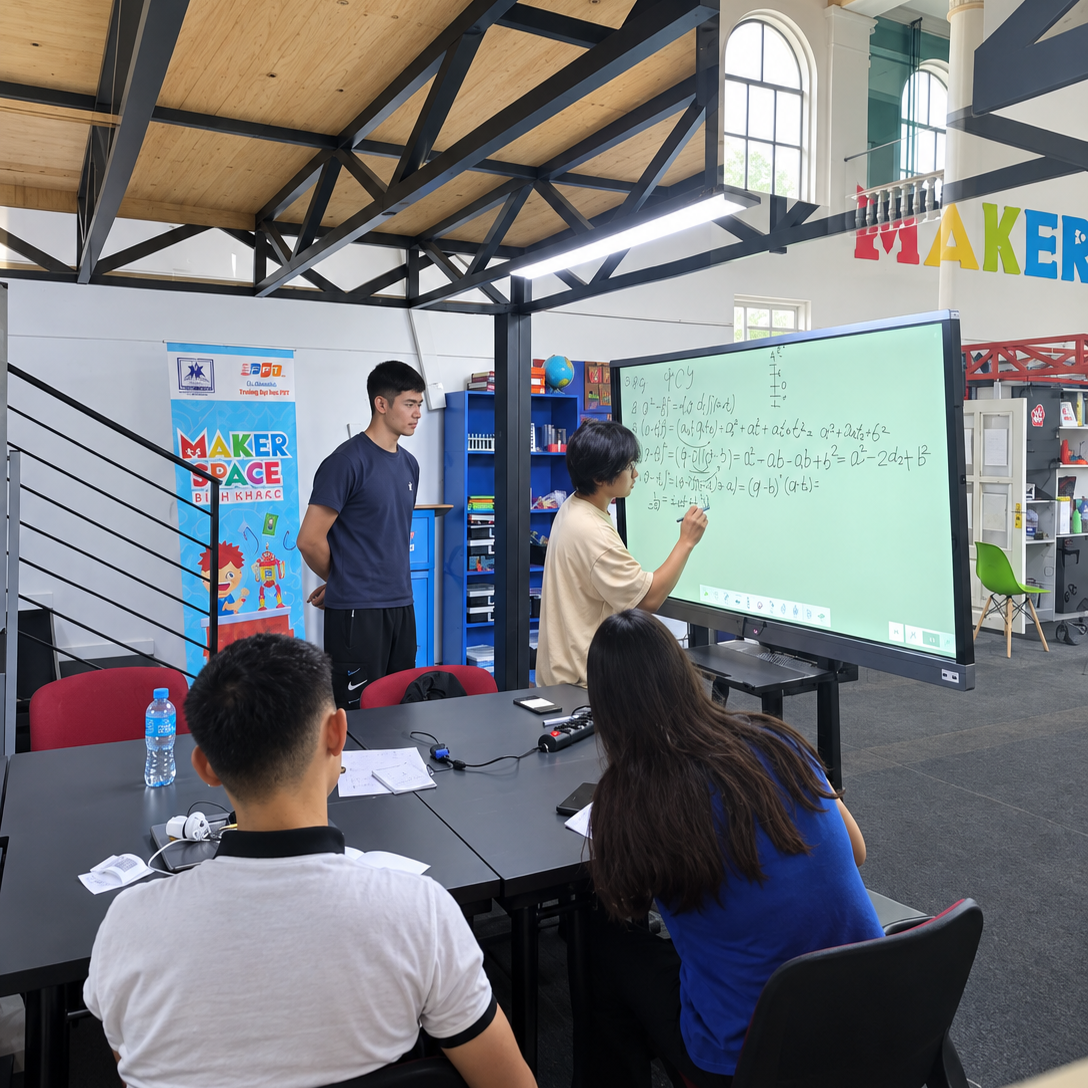
One student was paired with him, hoping simply to pass her maths exam. Like many students, the COVID-19 pandemic had interrupted the years when she should have been building the foundations that every new topic depends on. Rather than jumping straight into practice questions, Alim spent time figuring out exactly where her understanding had broken down and worked with her to rebuild it, one concept at a time.
"You know, when someone suddenly catches the meaning, their entire look changes, and their eyes begin to shine," he says. Progress wasn't immediate, but after several lessons, he noticed something change. She gradually approached the subject differently. She started solving problems independently, often working ahead before he had even assigned them, and by the end of the programme she passed her state exam with a strong grade.
That experience reinforced Alim why he enjoys passing on knowledge. It's not simply about explaining a topic or helping someone ace an exam. It's about watching someone gain the confidence to believe they can solve the next problem on their own.
Discovering Entrepreneurship at LaunchX
This summer, Alim joined the LaunchX Innovation Program on a $4,000 scholarship, hoping to learn how entrepreneurship could help him tackle the education challenges he had experienced growing up.
His long-term goal is to study computer science abroad before building a free education platform that gives students across Kyrgyzstan access to high-quality courses, regardless of where they live or what school they attend. LaunchX gave him a chance to think beyond the idea itself and start learning how to turn it into something practical, such as a partnership with Coursera.
Working alongside students from around the world, he explored customer discovery, market validation, financial modelling, and product development. One session stood out in particular: a negotiation simulation where he successfully closed an $800,000 deal.
"I was really proud of myself," he laughs. "Then I found out someone else had negotiated $1.2 million."
Rather than seeing it as a failure, he saw it as another reminder that there was always more to learn. That's what drew him to LaunchX in the first place. He wasn't looking for all the answers, more so the tools to start building solutions.
More Than an Idea
When Alim talks about improving education, he doesn't speak as though it's something he'll think about years from now. In many ways, it's something he's already started.
Teaching younger students, exploring entrepreneurship through LaunchX, and thinking about how technology could make education more accessible are all parts of the same journey. Each experience has helped him understand the problem from a different perspective while giving him another opportunity to contribute in the present, rather than waiting until someday in the future.
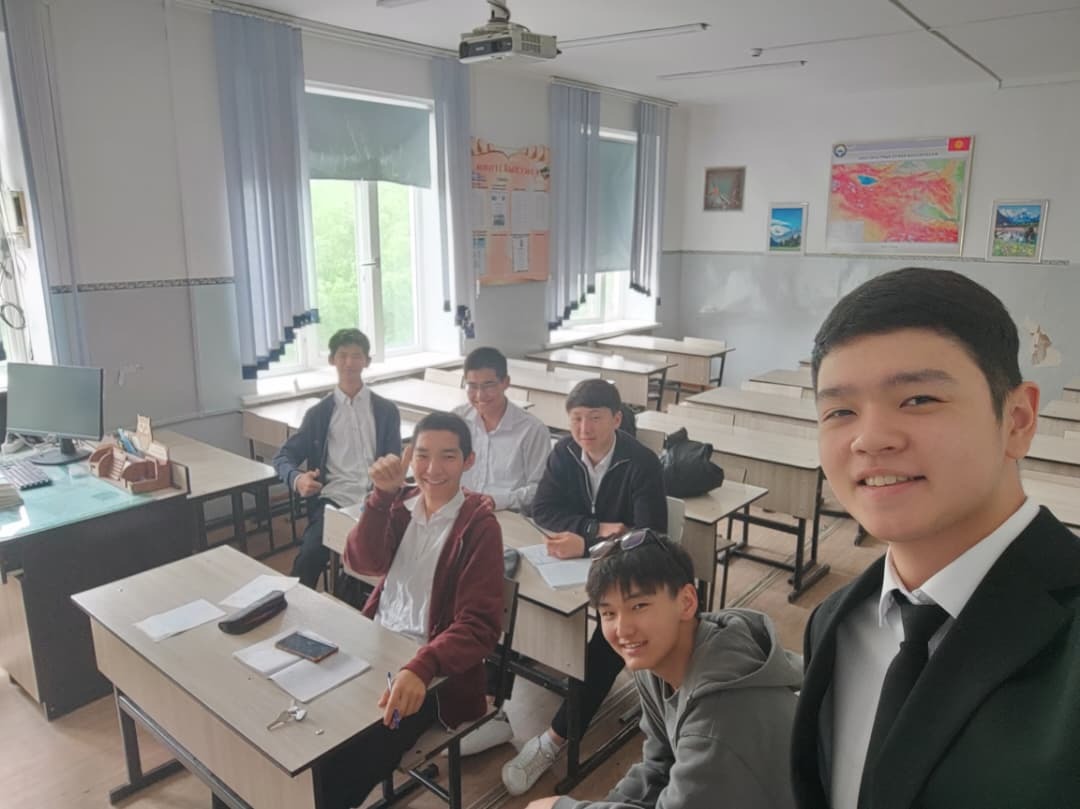
This is Alim’s approach to education. The system may not have given him everything he needed, but instead of waiting for it to change, he started creating opportunities for himself and sharing them with others. Whether that's through teaching, entrepreneurship, or whatever comes next, it's a journey that has already begun.
Related articles

.webp)
